
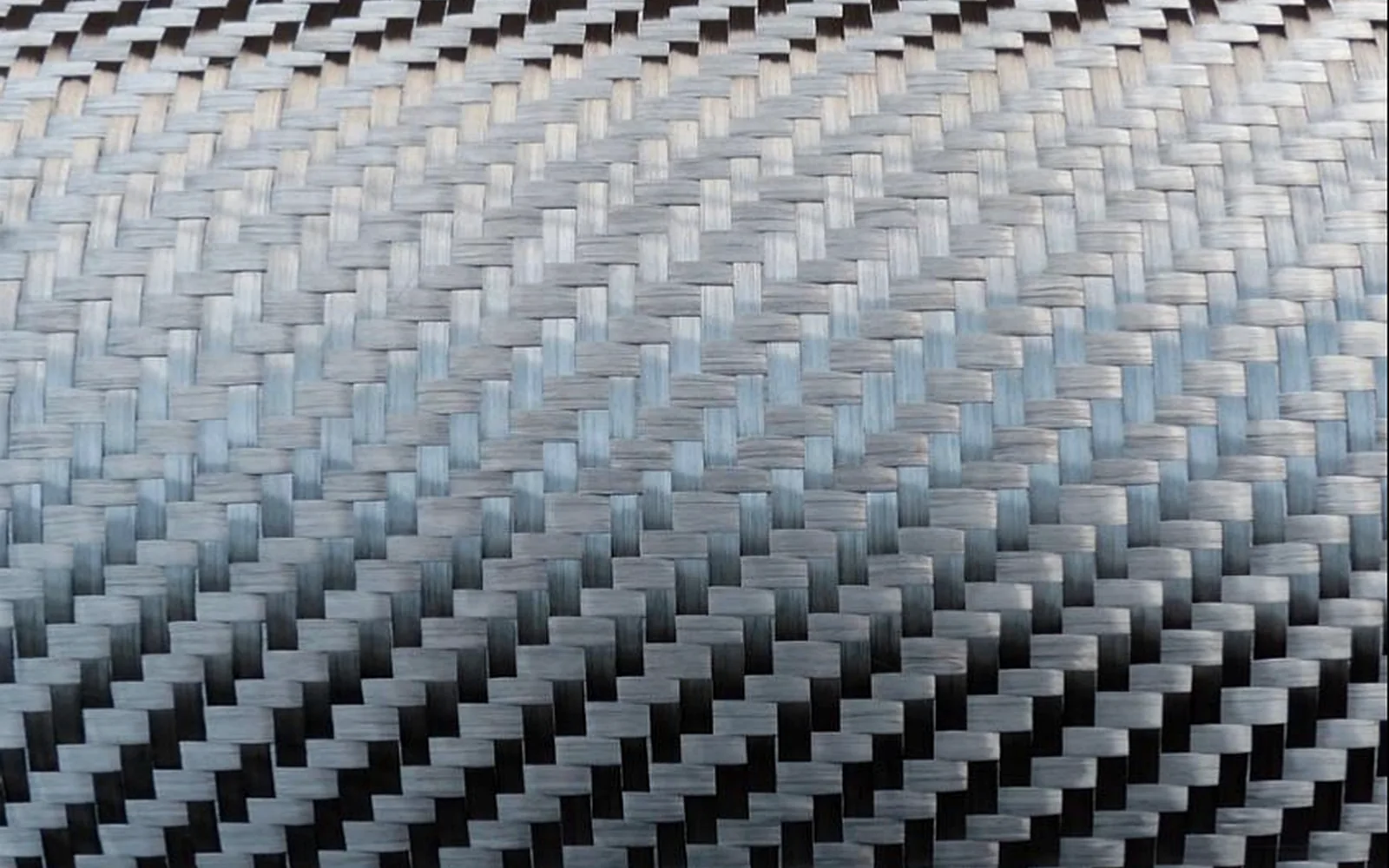
How to Approve a 3K 200gsm Twill Carbon Fabric Sample in one minute.
Approve the delivered dry textile and your cured CFRP surface separately. FRP HOME's documented FRPH-WCF-3K200-T is a 3K, 200 g/m2 twill woven fabric. Its TDS lists 5 x 5 yarns per 10 mm in warp and weft, an available width range of 1000-1500 mm and a 100 m nominal roll. Agree the selected width, tolerances, visual reference, packing and required documents by order, then mold a representative panel with the intended resin and finish.
What the terms mean.
A dry-fabric swatch can define tow, weave, count, width and visible textile condition. It cannot by itself approve the appearance or performance of a cured laminate. Resin, tooling, layup, cure and finishing affect the final surface. For appearance-sensitive parts, retain a physical dry-cloth sample and a separately approved cured-panel sample, marking the cosmetic face, weave direction, viewing conditions and acceptable local variation. A photograph alone is a poor acceptance standard because lighting and reflections change the visible result.
Key differences for material selection.
| Control item | Published FRP HOME reference | Buyer approval question |
|---|---|---|
| Product identity | FRPH-WCF-3K200-T; 3K twill | Is the exact style and TDS revision on the order? |
| Areal weight | 200 g/m2 nominal dry fabric | What tolerance, sampling plan and method are agreed? |
| Weave count | 5 x 5 per 10 mm nominal, warp x weft | Which construction features matter to the accepted appearance? |
| Width | 1000-1500 mm available range | Which selected usable width fits the cutting plan? |
| Roll length | 100 m nominal | What usable length, splice policy, core and packing are agreed? |
| Sizing and process | Confirmation items in the TDS | Does the representative resin/process trial meet the buyer's criteria? |
How engineers and buyers should choose.
First approve a textile reference. Record the supplier product code, TDS revision, selected width, roll/batch identity and approved swatch. Mark the weave direction and the cosmetic face. Ask how a change in fiber grade, sizing or construction will be communicated before repeat orders.
Then approve a process reference. Mold a panel with the actual resin, layup, tooling and finishing route. Keep a cured reference for appearance. If mechanical or environmental requirements apply, test the finished laminate separately; 200gsm is dry-fabric mass per area, not cured thickness or strength.
Write the acceptance boundary: does inspection apply to the roll, the molded panel or both? Identify who measures what, the method, allowed variation and what happens if a roll or panel fails review. ISO 3374, ISO 5025 and ASTM D3775 describe potential measurement methods, but the order must specify any method and limit actually required; citing them does not certify a batch.
For repeat or export supply, agree roll labels, packing protection and any required batch documents. A COA or specific inspection result should be requested explicitly and its availability confirmed before ordering, rather than inferred from a marketing photo or an older sample.
Where this comparison matters.
Typical values to confirm.
| Specification | Typical options |
|---|---|
| Documented style | FRPH-WCF-3K200-T; 3K 200 g/m2 twill |
| Nominal weave count | 5 x 5 yarns per 10 mm, warp x weft |
| Available width | 1000-1500 mm; selected usable width by order |
| Nominal roll length | 100 m; packing and splice policy by order |
| Dry versus cured reference | Approve dry cloth and molded surface separately |
| Required documents | Confirm TDS revision, inspection record or COA by order |
Download the references used in this guide.
These English PDFs are tied to the listed product scope. Confirm the final order specification and required batch documents in the RFQ.
Product pages to compare next.
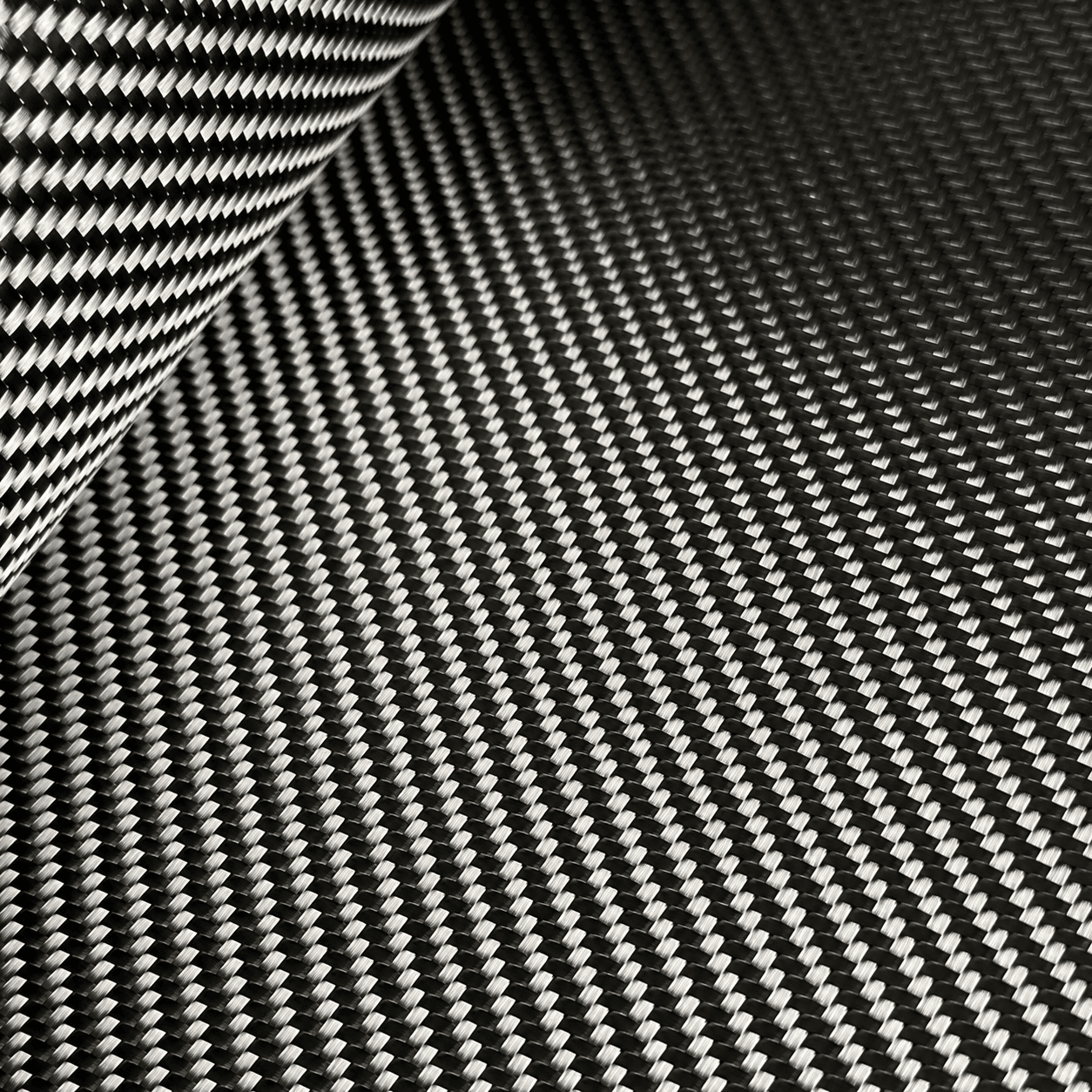
Details needed before quotation.
Clear RFQ information helps avoid wrong material selection and repeated emails.
Common technical questions.
Does 200gsm tell me the cured panel thickness?
No. It describes dry-fabric mass per area. Ply count, resin content, compaction and processing affect the finished laminate, which must be validated separately.
Does 3K prove the finished part is stronger than a different tow size?
No. 3K identifies an approximate filament count per tow, not a finished-part mechanical rating. Fiber grade, weave, resin, layup and process also matter.
Is an approved dry swatch enough for a visible CFRP part?
It defines a textile reference, not the final molded appearance. Keep a cured-panel reference when the finished surface is part of acceptance.
Sources reviewed for this guide.
These references support the general process guidance. Final material approval must use the selected product, resin and process documentation.