Request a Quote
Product / 11

Filament-Wound Carbon Fiber Tube

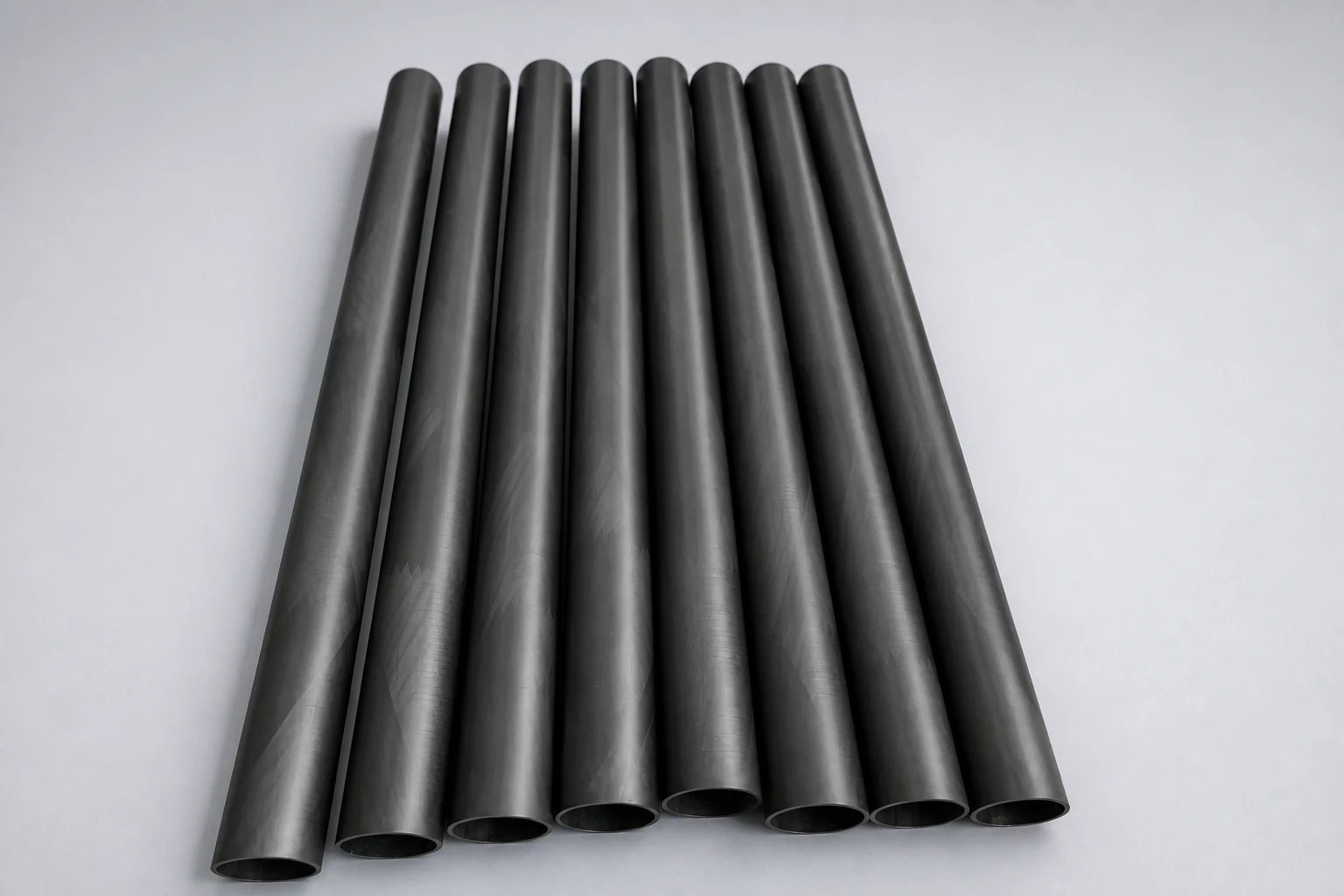
Filament-wound carbon fiber tubes made from continuous carbon tow with project-specific hoop, helical and axial reinforcement for torsion, hoop loading and lightweight structural applications.

Quick Answer

Filament-Wound Carbon Fiber Tube in one minute.

Filament-wound carbon fiber tubes use controlled continuous-fiber winding paths to tailor hoop, helical and axial reinforcement around a mandrel for the required load case.

Product type
Filament-Wound Composite Tube
Process
Continuous-fiber filament winding
Fiber architecture
Hoop, helical and axial layers by design review
Diameter / wall / length
Custom by drawing and tooling review
Matrix and finish
Resin system and surface finish by application review
Documents
TDS / SDS / COA by product scope and order agreement
End-use review
Some high-performance carbon fiber materials, prepregs, yarns, tow, CFRP components and related products may require end-use and end-user review before quotation or shipment.
Specification table

Project configuration range

Filament-wound tube performance is design-dependent. Diameter, wall thickness, fiber grade, resin, winding architecture, cure, tolerance and qualification requirements are confirmed for each project.

Design itemAvailable configurationQuotation requirement
Tube geometryRound tube or project-specific cylindrical geometryDrawing with diameter, wall and length
Fiber architectureHoop, helical, axial or combined reinforcementLoad direction and service condition
Material systemCarbon fiber and compatible resin system by reviewTemperature, environment and process requirements
SurfaceAs-wound, machined, sanded, coated or cosmetic outer layer by reviewFinish and tolerance requirement
Secondary operationsCut length, drilling, slots, bonded inserts or end features by reviewMachining drawing and assembly information
Product overview

How Filament-Wound CFRP Tube is used.

The overview explains typical buyer context without replacing customer testing, engineering validation or official batch documents.

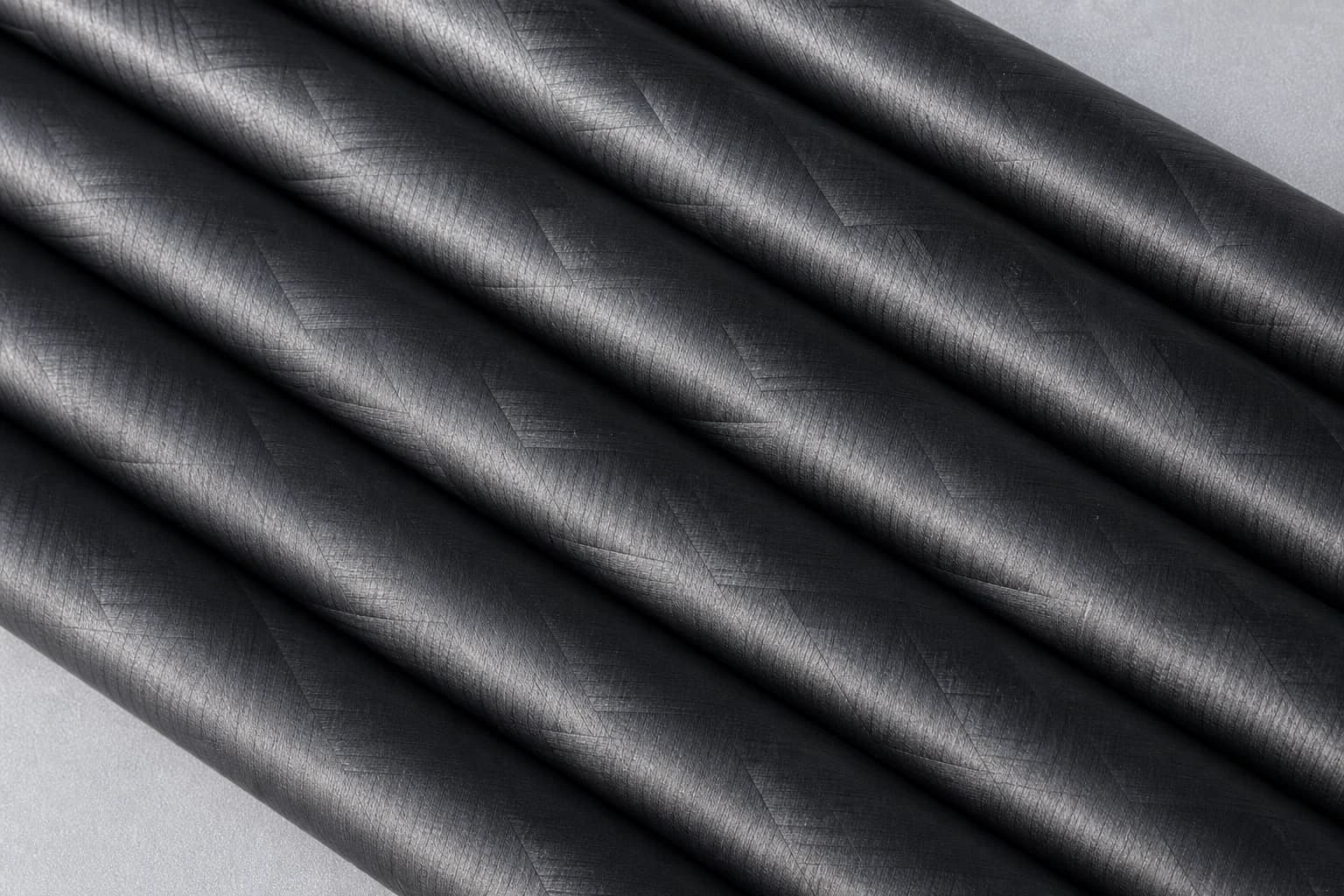
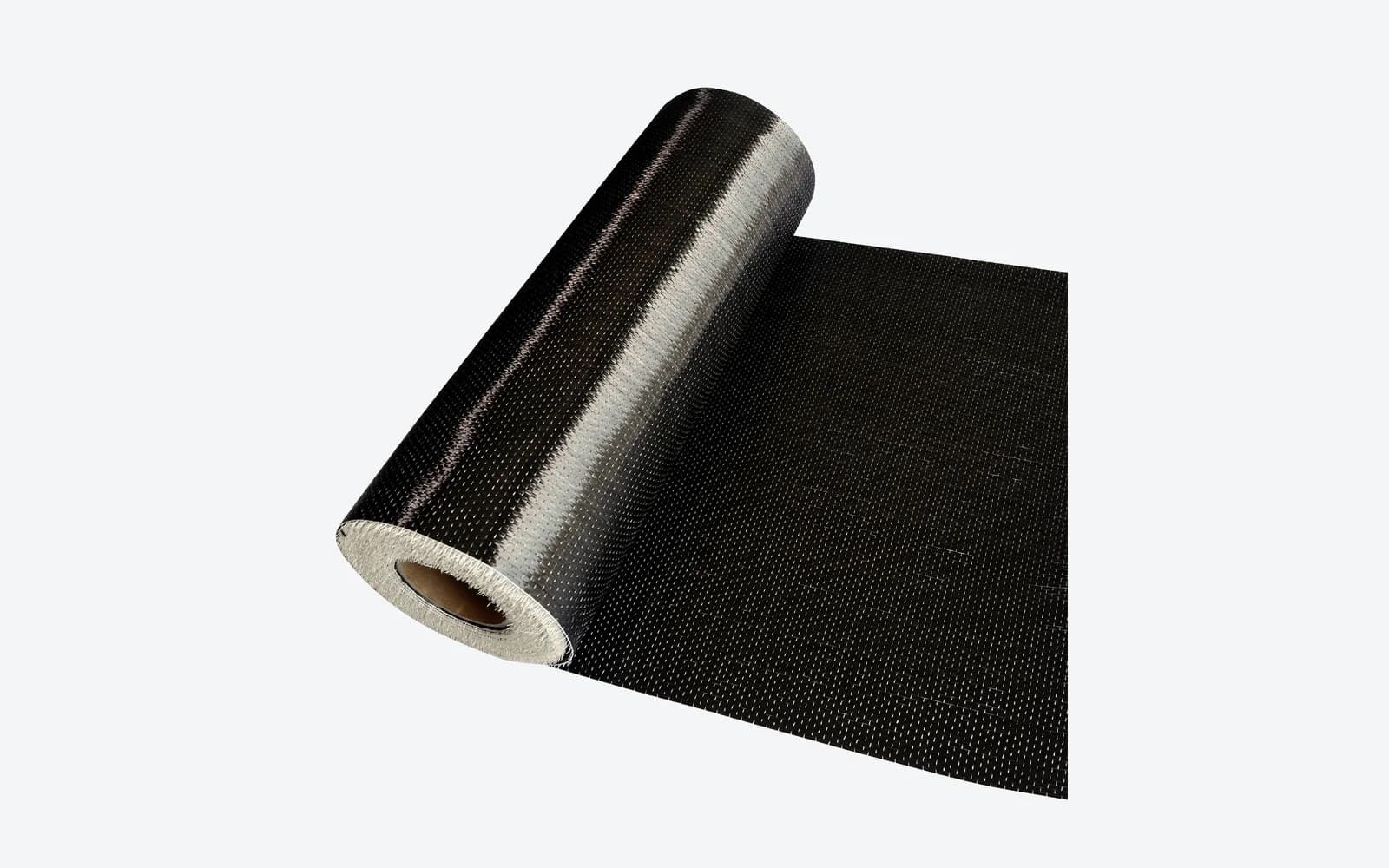
Filament-Wound Carbon Fiber Tube is produced by winding resin-compatible continuous carbon tow around a mandrel in controlled paths. The winding program can combine circumferential and helical reinforcement, with axial layers added where the load case requires them.

Compared with pultruded tube, which places most reinforcement along the profile length, filament winding gives engineers more control over hoop and torsional reinforcement. Compared with a decorative 3K roll-wrapped tube, the primary design focus is the continuous-fiber architecture beneath the finished surface.

FRP HOME reviews tube diameter, wall thickness, length, winding architecture, resin system, finish, dimensional tolerance and end machining against the customer's drawing and final application before quotation.

Available specifications

Common options for RFQ preparation.

ReinforcementContinuous carbon tow
Winding pathsHoop, helical and combined architectures
CustomizationDimensions and layup by drawing and load review
Secondary processingCutting, drilling, bonding and end features by review

RFQ and engineering review

Required informationWhy it mattersConfirmation
Outside / inside diameter and lengthDefines mandrel, tooling and material usageDrawing review
Load direction and duty cycleGuides hoop, helical and axial reinforcementApplication review
Operating environmentGuides resin and finish selectionProject review
Tolerance and surface requirementGuides finishing and inspection planDrawing review
Quantity and delivery scheduleGuides tooling and production planningCommercial review
Applications

Where this product is commonly specified.

Material suitability should be verified through the customer's process, design requirements and application testing.

Industrial rollers and rotating shafts
Automation beams and lightweight machine members
Robotic and inspection equipment structures
Marine and sporting equipment shafts
Instrument housings and composite cylinders
Custom torsion- or hoop-loaded CFRP tube assemblies
How to choose this product

Selection guidance before sampling.

01

Provide drawings, dimensions, tolerance, surface finish and expected manufacturing process.

02

Confirm whether the part is visual, structural, machined, molded, roll-wrapped or pultruded.

03

Attach CAD, DXF, STEP or reference photos when geometry affects quotation.

RFQ information required

Details requested for CFRP Profiles & Custom Parts.

Brand availability depends on stock, batch, order quantity, destination country and compliance review. We do not imply official authorization unless separately stated.

Product type
Dimensions
Tolerance
Surface finish
Manufacturing process
Application / End Use
Quantity
Destination Country
Required Documents
Documents available

TDS / SDS / COA

Document availability depends on material family, specification, order agreement and batch. Final values are confirmed by official documents, not by website examples.

TDSTechnical Data Sheet

Material specifications, typical properties and recommended use.

SDSSafety Data Sheet

Hazard information, handling guidance and safety measures where applicable.

COACertificate of Analysis

Batch information and material characteristics when available for confirmed orders.

Packaging and shipping

Confirm packing before shipment.

Packing method depends on roll size, component geometry, quantity and destination. Roll protection, cartons, pallets, labels and packing photos can be discussed before shipment.

FAQ

Common buyer questions.

How is a filament-wound carbon fiber tube different from a pultruded tube?

Pultruded tubes place most continuous reinforcement along the tube length. Filament winding can add controlled hoop and helical reinforcement, making it more suitable when torsion, circumferential loading or combined loading must be considered.

Can the winding angle be customized?

Yes. Winding paths can be reviewed against the tube geometry, load direction, tooling and manufacturing limits. The final architecture is confirmed during engineering review rather than selected from a generic fixed angle.

What information is needed for a filament-wound tube quotation?

Please provide a drawing, diameter, wall thickness, length, load direction, operating environment, tolerance, surface requirement, quantity and final application. Qualification or testing requirements should also be identified before production.

Related products

Compare adjacent material options.

View all
CTA / RFQ form

Send us the specification for Filament-Wound CFRP Tube.

Include the selected product type, end use, destination country, required documents and any drawings or previous specifications.

TDSTypical data by material family
SpecWeight, width, process and grade
ReviewEnd use and destination where required
Request a QuoteBasic RFQ form is visible even before JavaScript loads.

CFRP Profiles & Custom Parts details

End-use reviewSome high-performance carbon fiber materials, prepregs, yarns, tow, CFRP components and related products may require end-use and end-user review before quotation or shipment.For urgent quotation support, email info@hntzxcl.com or send WhatsApp 0086-18857397371.