Recommended For
- Visible CFRP surfaces
- Automotive parts
- Sports equipment
- Civil UAV components
- Decorative composite panels
- General composite laminates
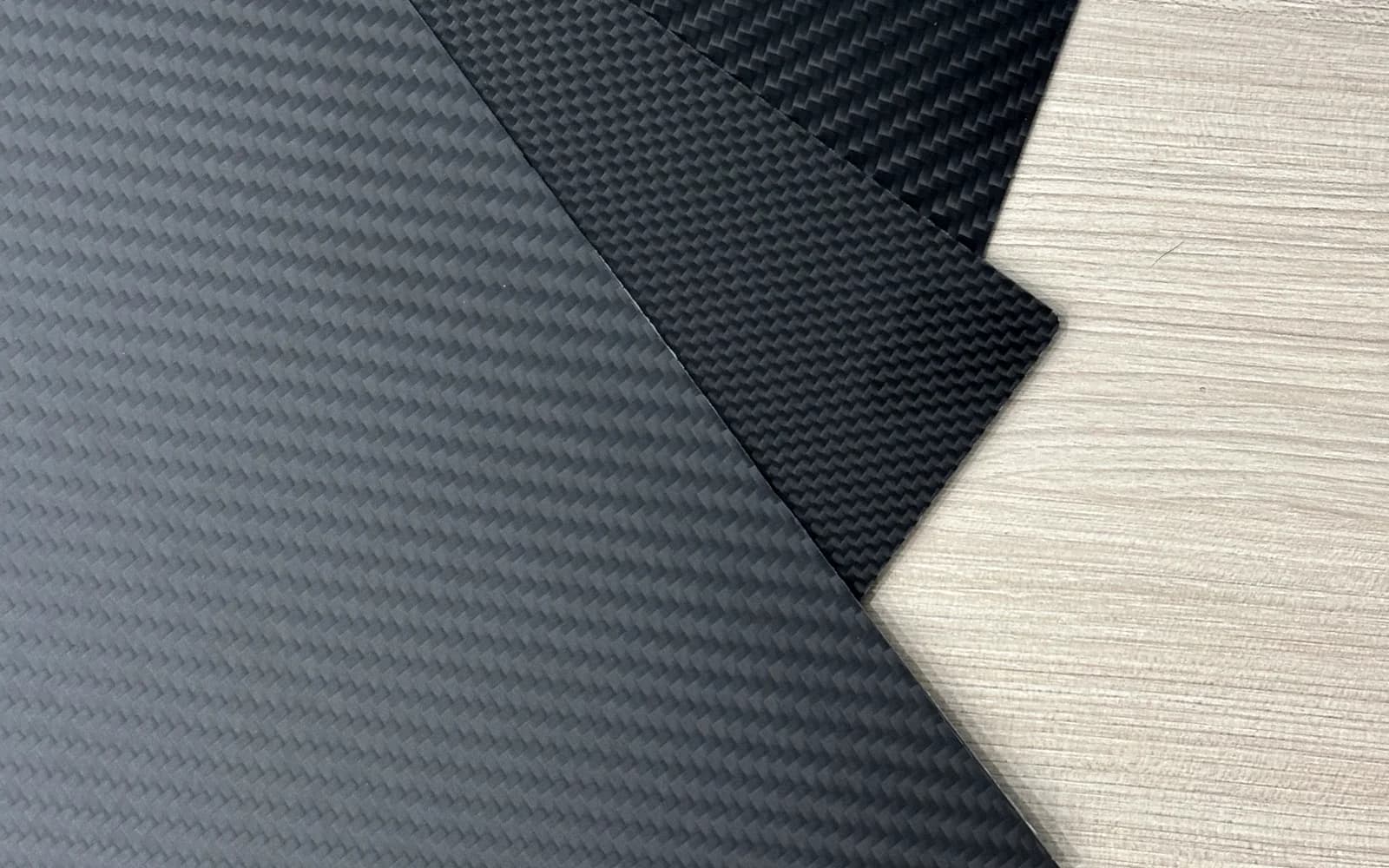
Bidirectional woven carbon fiber reinforcement made by interlacing carbon fiber yarns in warp and weft directions for balanced handling and visible CFRP surfaces.
FRP HOME publishes a TDS for 3K 200 g/m² twill carbon fiber fabric. Other tow sizes, weights, weaves and spread-tow patterns are reviewed against the requested construction before quotation.
The 3K 200 g/m² twill row below is supported by the published FRP HOME TDS. Other woven constructions remain quotation items until matching product data are confirmed.
| Product / inquiry | Tow | Areal weight | Weave | Width | Roll / status |
|---|---|---|---|---|---|
| FRPH-WCF-3K200-T | 3K | 200 g/m² | Twill | 1000-1500 mm | 100 m nominal / published TDS |
| Other woven fabric | By requested construction | By requested construction | Plain / twill / satin / jacquard | By quotation | Matching product data required |
| Spread tow fabric | By requested construction | By requested construction | 8x8mm / 10x10mm / custom | By quotation | Separate product review |
The overview explains typical buyer context without replacing customer testing, engineering validation or official batch documents.
Carbon Fiber Woven Fabric is woven with carbon fiber in both warp and weft directions, making it practical for balanced laminates and visible carbon surfaces.
The published 3K 200 g/m² twill construction is intended for visible laminate surfaces and common composite layups. Other tow sizes, weights and constructions require matching product records and order confirmation.
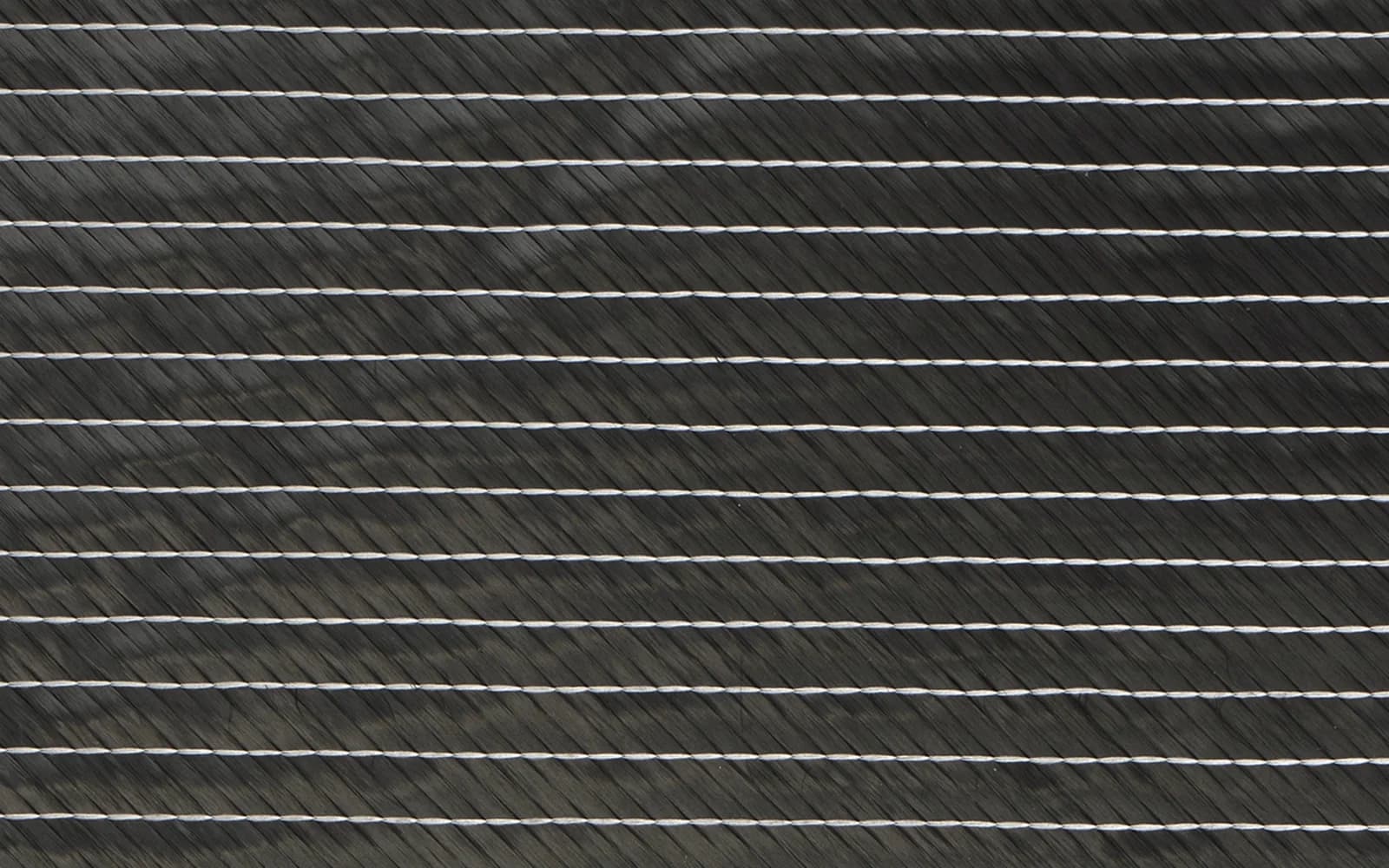
Plain weave, twill weave, satin weave, jacquard patterns and spread tow checker patterns such as 8x8mm and 10x10mm can be reviewed according to target appearance and process.
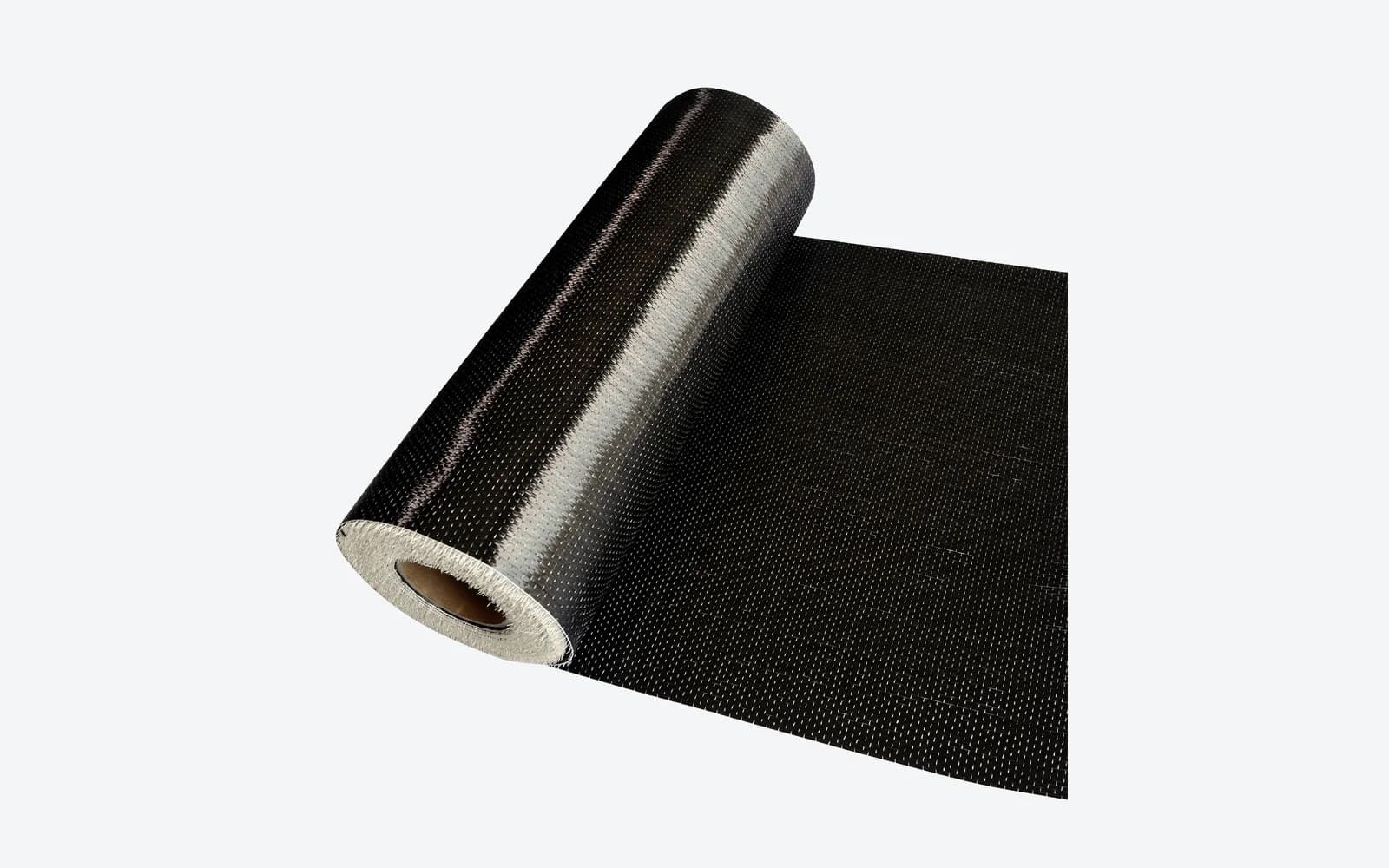
FRP HOME supplies documented woven carbon cloth and can review custom weight, width, weave, tow size and roll packing requirements for export orders.
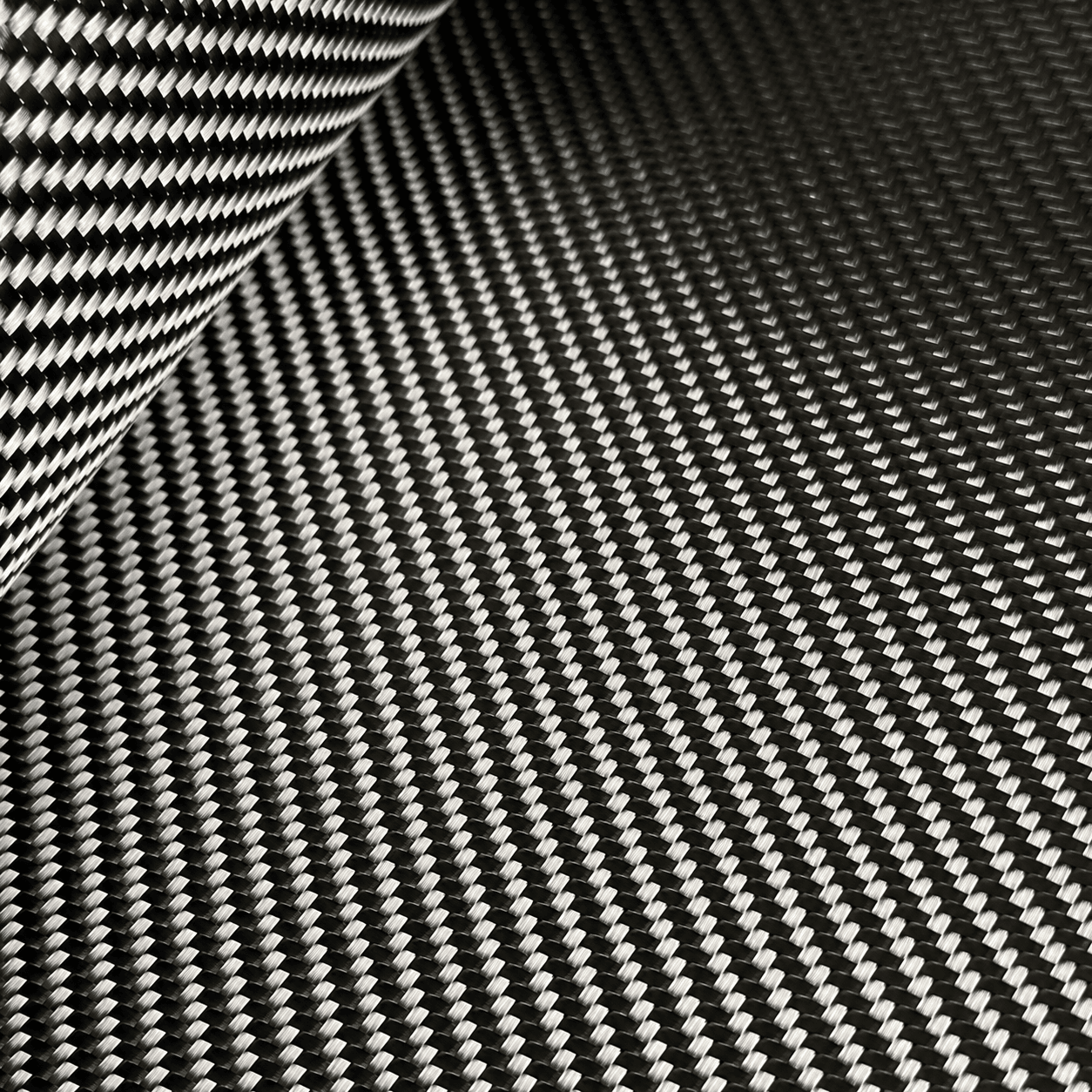
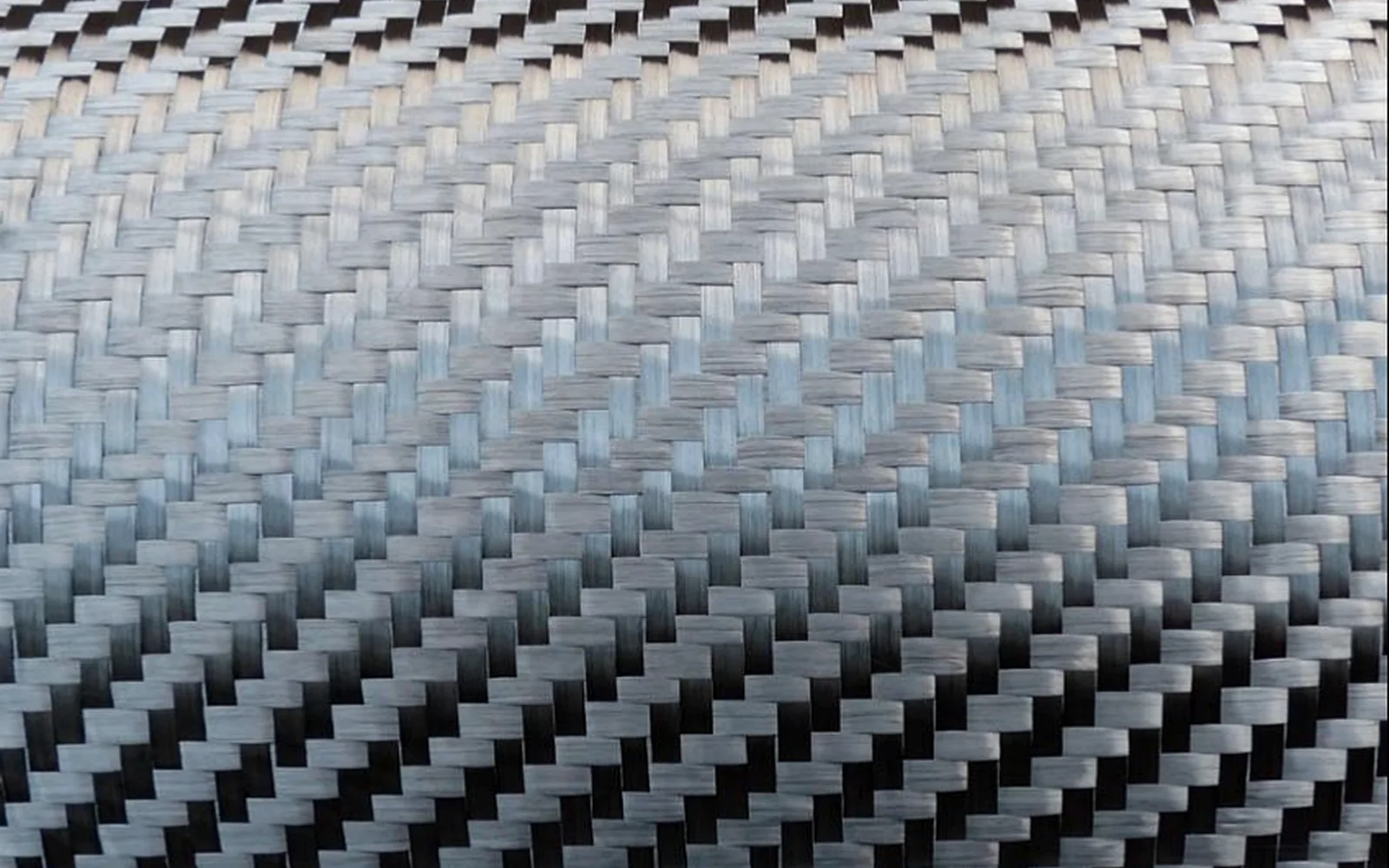
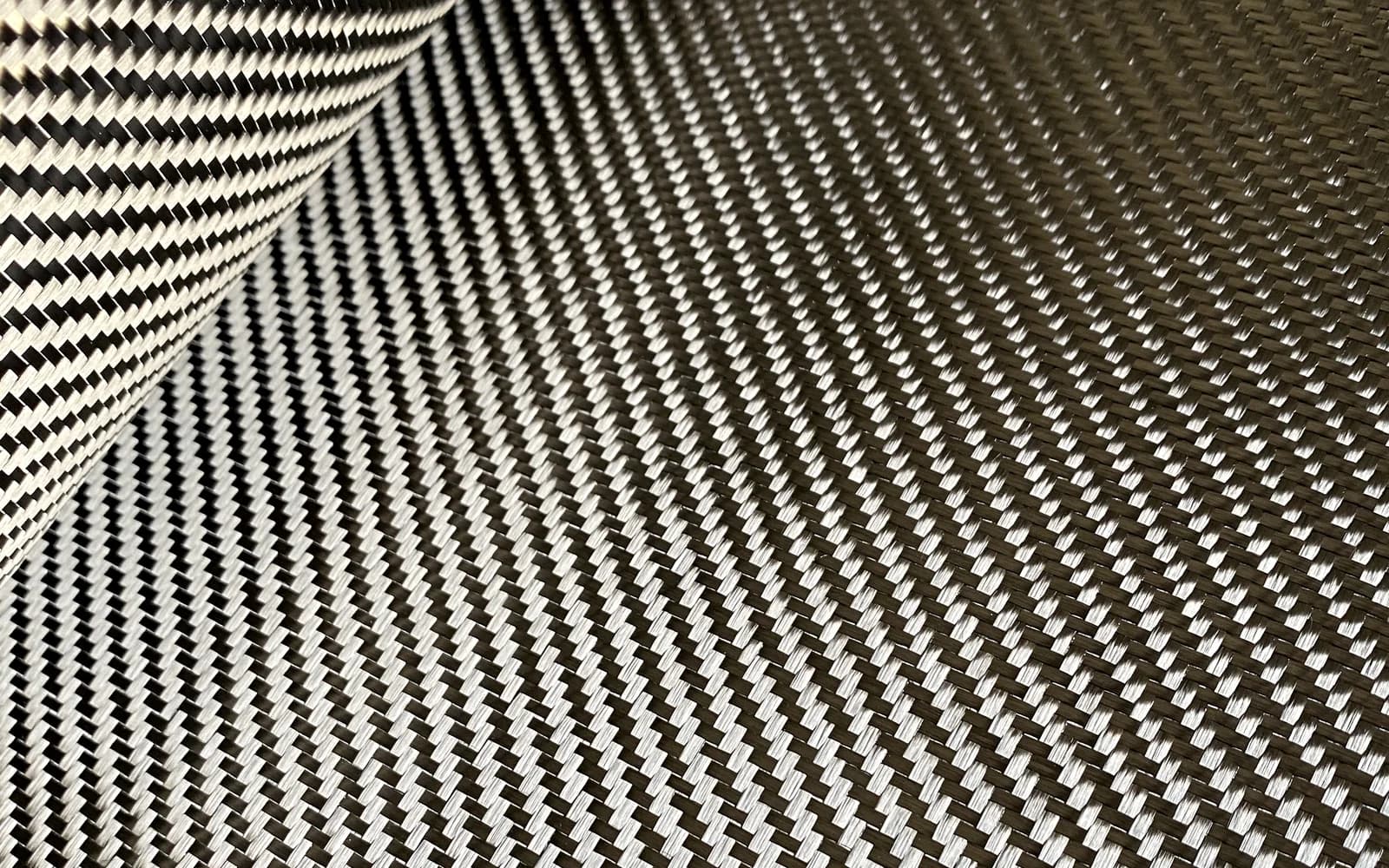

A real workshop view of woven carbon fiber fabric being formed on a production loom. Confirm tow size, areal weight, width, weave, roll length and finish in the RFQ.
| Option | Typical texture | Common use |
|---|---|---|
| 1K | Fine texture | Premium decorative small parts |
| 3K | Classic carbon look | Automotive, sports, civil UAV and decorative parts |
| 6K | Medium texture | Sports and industrial composites |
| 12K | Larger tow | Larger panels and industrial laminates |
| Spread Tow | Flat checker pattern | Visible CFRP surfaces |
| Jacquard | Custom woven appearance | Decorative CFRP |
| Item | Typical value | Remark |
|---|---|---|
| Areal weight tolerance | By confirmed specification | Final tolerance by order |
| Moisture | Dry reinforcement with protected packing typical | Store dry and clean |
| Fiber grade | Standard and high-strength grade options | Subject to raw material availability |
| Surface quality | Typical visual target: uniform weave and no visible oil contamination | Visual inspection |
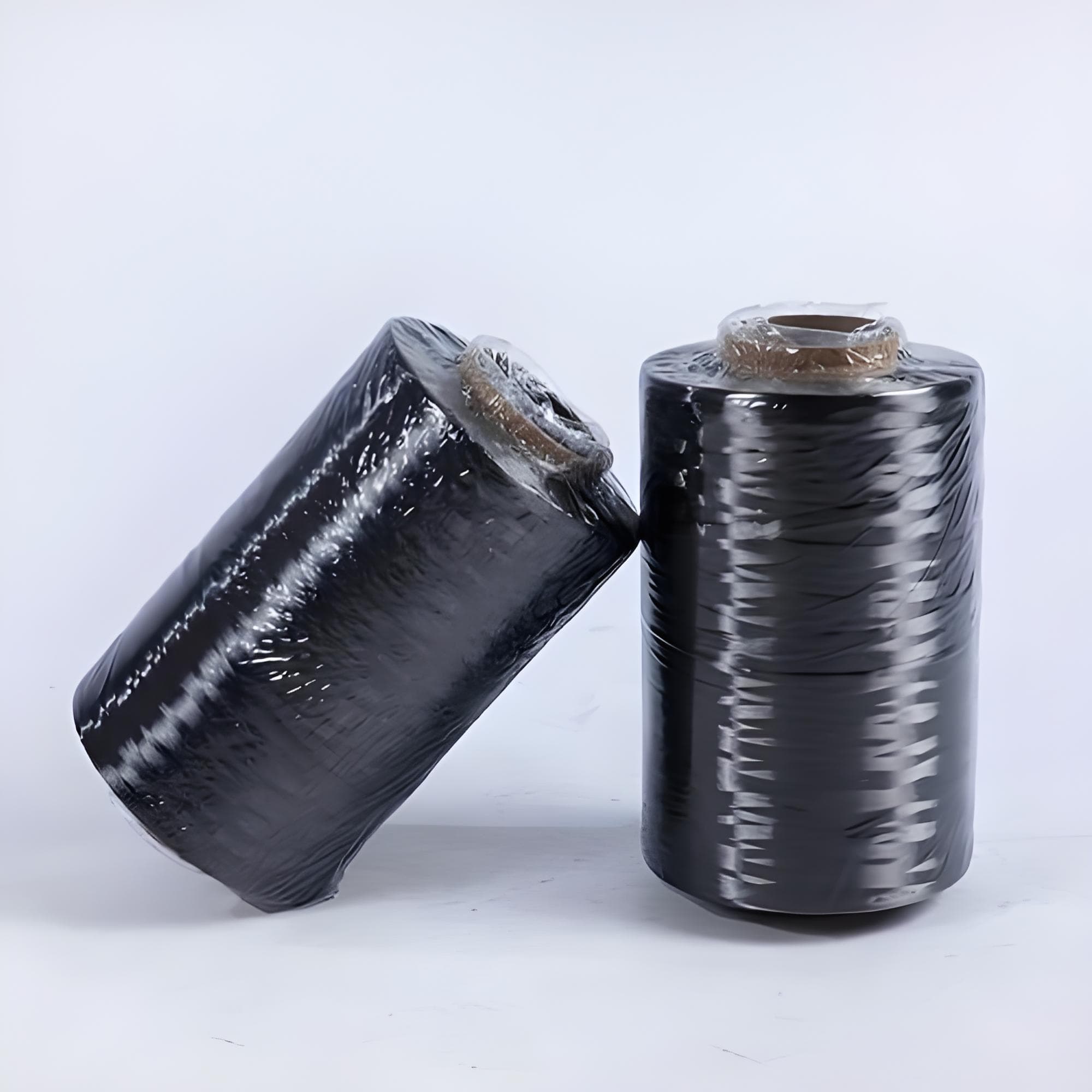
| Packing | Roll on tube, PE film, carton or pallet by order | Export label available |
Material suitability should be verified through the customer's process, design requirements and application testing.
This is a practical shortlist for RFQ preparation. Final suitability depends on customer testing, resin compatibility and engineering validation.
Use the published 3K 200 g/m² twill construction when a documented woven fabric is required.
For another weave, tow size or visible pattern, provide the requested construction and an appearance reference for review.
Confirm width and roll length; the published TDS records 1000-1500 mm width and a 100 m nominal roll.
State the intended resin process and final application so that material compatibility can be reviewed.
Provide quantity, delivery country, packing requirement and required documents before quotation.
Brand availability depends on stock, batch, order quantity, destination country and compliance review. We do not imply official authorization unless separately stated.
Document availability depends on material family, specification, order agreement and batch. Final values are confirmed by official documents, not by website examples.
Material specifications, typical properties and recommended use.
Hazard information, handling guidance and safety measures where applicable.
Batch information and material characteristics when available for confirmed orders.
Packing method depends on roll size, component geometry, quantity and destination. Roll protection, cartons, pallets, labels and packing photos can be discussed before shipment.
The documented 3K 200 g/m² twill fabric is a practical starting point for visible carbon parts. Approve the actual weave appearance, fiber grade, sizing, width and resin process before ordering.
In some structural laminates, heavier 12K fabric can build thickness faster, but the final laminate schedule should be verified by the customer's engineering team.
Compare woven, UD, multiaxial and spread tow fabric, then prepare the laminate and process information needed for an RFQ.
Use these guides to compare material options and prepare a specification-first RFQ. Final order values remain subject to quotation and document review.
Include the selected product type, end use, destination country, required documents and any drawings or previous specifications.