Recommended For
- Concrete and bridge strengthening
- UD fabric, CFRP plate and epoxy system requests
- Externally bonded reinforcement projects
- Contractor and distributor material supply
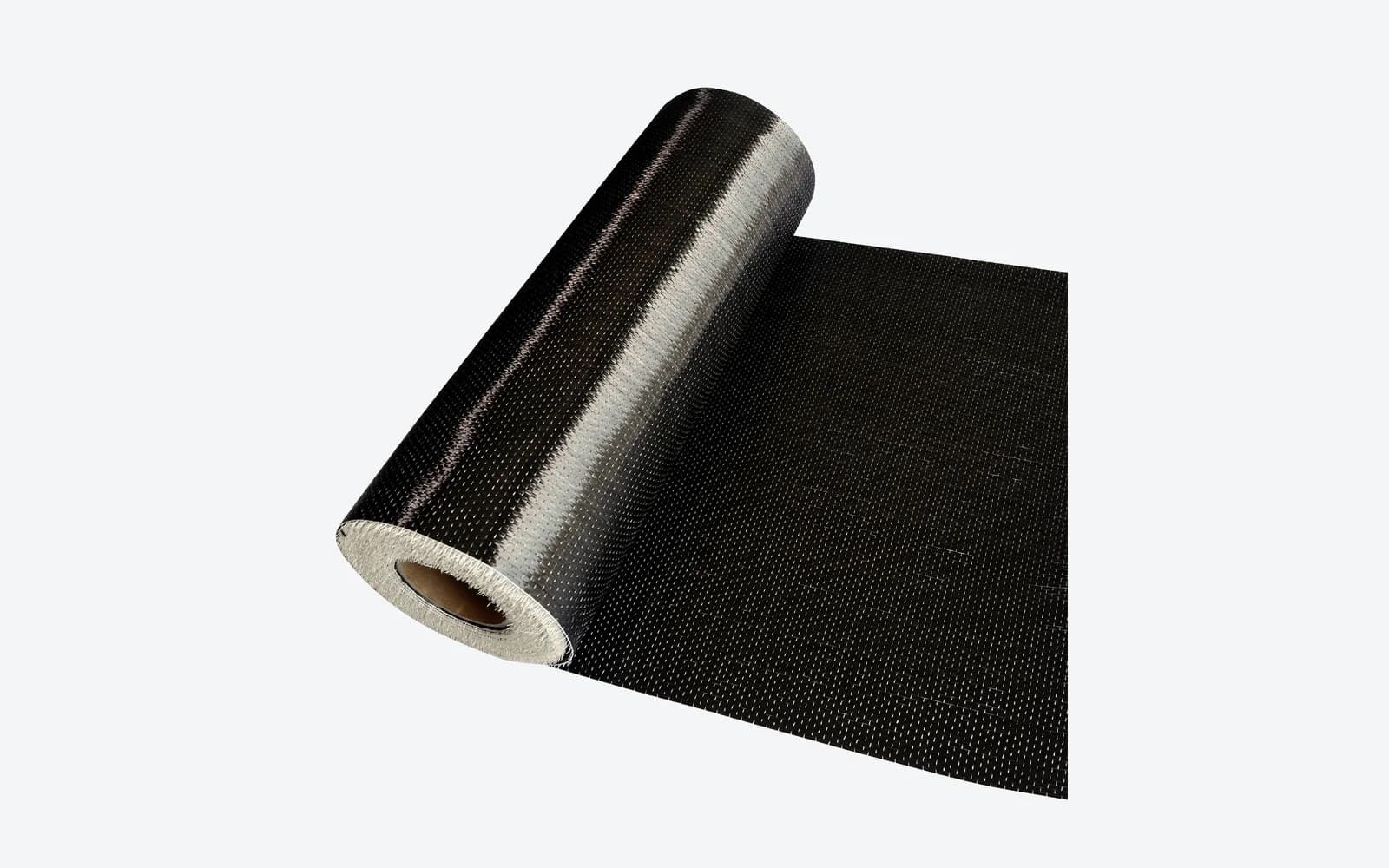
System materials including UD carbon fiber fabric, pultruded CFRP plates and structural epoxy resin for concrete, bridge and building reinforcement projects.
A carbon fiber structural strengthening system includes UD carbon fiber fabric, pultruded CFRP plates and structural epoxy resin for concrete, bridge and building reinforcement projects.
Indicative CFRP plate data. Structural design values and adhesive systems must be approved by qualified engineers.
| Material | Role | Typical use |
|---|---|---|
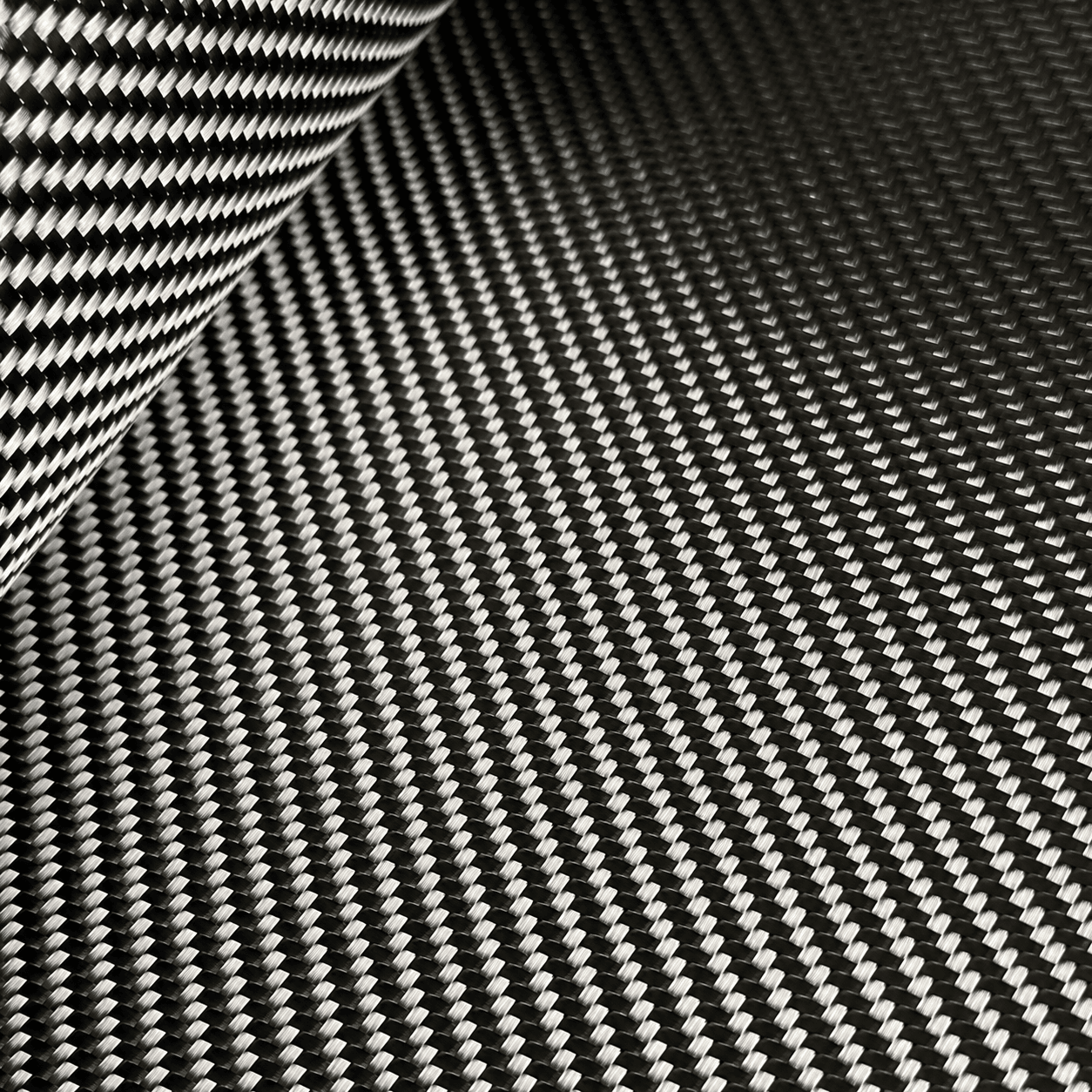
| UD Carbon Fiber Fabric for Strengthening | Surface bonding and directional reinforcement | Beams, slabs, columns and walls |
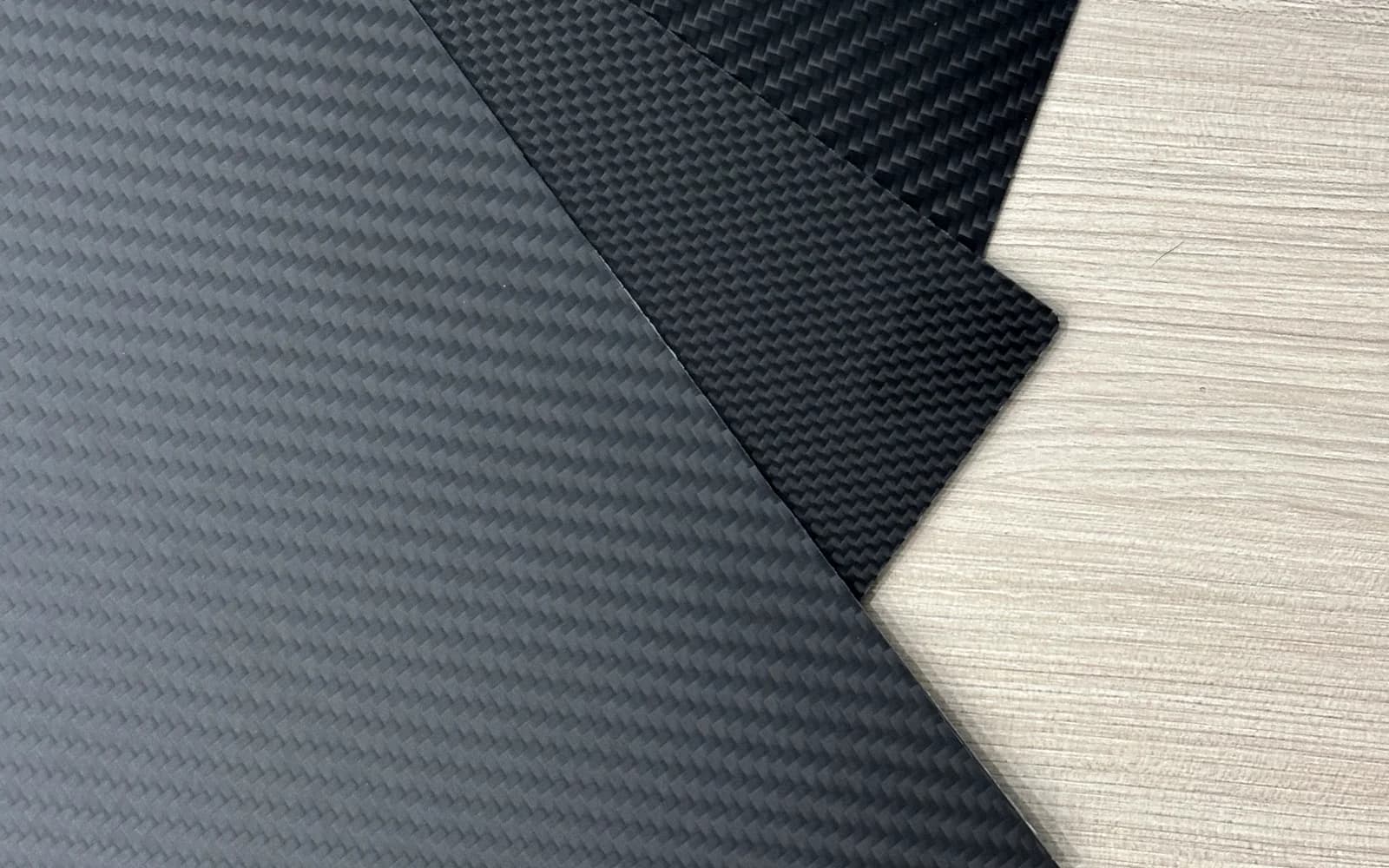
| Pultruded CFRP Plate / Laminate | High-strength laminate reinforcement | Bridge, beam and structural strengthening |
| Structural Epoxy Resin | Bonding and impregnation resin | Used with carbon fabric or CFRP plate |
The overview explains typical buyer context without replacing customer testing, engineering validation or official batch documents.
Carbon Fiber Structural Strengthening System is designed for externally bonded reinforcement of concrete, masonry, timber and steel structures when used with compatible structural epoxy materials.
UD carbon fiber fabric provides surface bonding and directional reinforcement for beams, slabs, columns and walls. Pultruded CFRP plate or laminate provides high-strength linear reinforcement for bridges, beams and strengthening projects.
Structural epoxy resin is used as bonding and impregnation resin with carbon fabric or CFRP plate according to the selected strengthening method.
FRP HOME publishes a legacy-source 200 g/m² strengthening-fabric supply reference, a 300 g/m² UD product TDS and source-reviewed data for a 1.2 mm pultruded CFRP strengthening plate. Final material selection, dimensions, substrate evaluation and adhesive compatibility remain subject to quotation and qualified engineering review.




Real workshop footage of long, narrow CFRP plate strips. Confirm the product route, including whether pultruded strengthening plate is required, then provide width, thickness, length, finish, adhesive system, quantity, project location, design responsibility and final application in the RFQ.
| Product | Thickness | Width and length | Surface | Document status | Use review |
|---|---|---|---|---|---|
| FRPH-CFRP-PLATE-1.2 | 1.2 mm | By quotation | Bonding surface by order | Published TDS | Qualified engineering approval required |
| Other pultruded plate | By project specification | By quotation | By adhesive-system review | Matching source data required | Qualified engineering approval required |
| Item | Order confirmation | Responsibility |
|---|---|---|
| Fiber grade and volume content | Selected plate specification and batch documentation | Supplier document review |
| Tensile properties | Selected plate TDS or agreed testing plan | Project engineer approval |
| Dimensions and tolerance | Approved width, thickness and length specification | Order and inspection plan |
| Bonding surface | Surface preparation agreed with the adhesive system | Project engineer and adhesive supplier |
| Compatible adhesive | Structural epoxy bonding system by project | Customer system approval required |
Material suitability should be verified through the customer's process, design requirements and application testing.
This is a practical shortlist for RFQ preparation. Final suitability depends on customer testing, resin compatibility and engineering validation.
Choose the material route first: documented 300 g/m² UD fabric, 200 g/m² supply reference, or documented 1.2 mm pultruded plate.
Identify project type, dimensions, target area and bonding-surface requirement without treating the website as a structural design.
Confirm whether structural epoxy resin, primer, saturant or plate adhesive is required for project review.
Project suitability, substrate preparation and installation should be approved by the customer's qualified engineering team.
Brand availability depends on stock, batch, order quantity, destination country and compliance review. We do not imply official authorization unless separately stated.
Document availability depends on material family, specification, order agreement and batch. Final values are confirmed by official documents, not by website examples.
Material specifications, typical properties and recommended use.
Hazard information, handling guidance and safety measures where applicable.
Batch information and material characteristics when available for confirmed orders.
Packing method depends on roll size, component geometry, quantity and destination. Roll protection, cartons, pallets, labels and packing photos can be discussed before shipment.
FRP HOME currently publishes source-reviewed data for a 1.2 mm pultruded CFRP plate. Any alternate thickness, width, length and structural capacity must be confirmed against the selected product document and approved project design.
FRP HOME supplies material data and commercial support. Structural design, substrate checks and final system approval should be handled by qualified engineers.
Use these guides to compare material options and prepare a specification-first RFQ. Final order values remain subject to quotation and document review.
Include the selected product type, end use, destination country, required documents and any drawings or previous specifications.