Recommended For
- Marine hulls, decks and masts
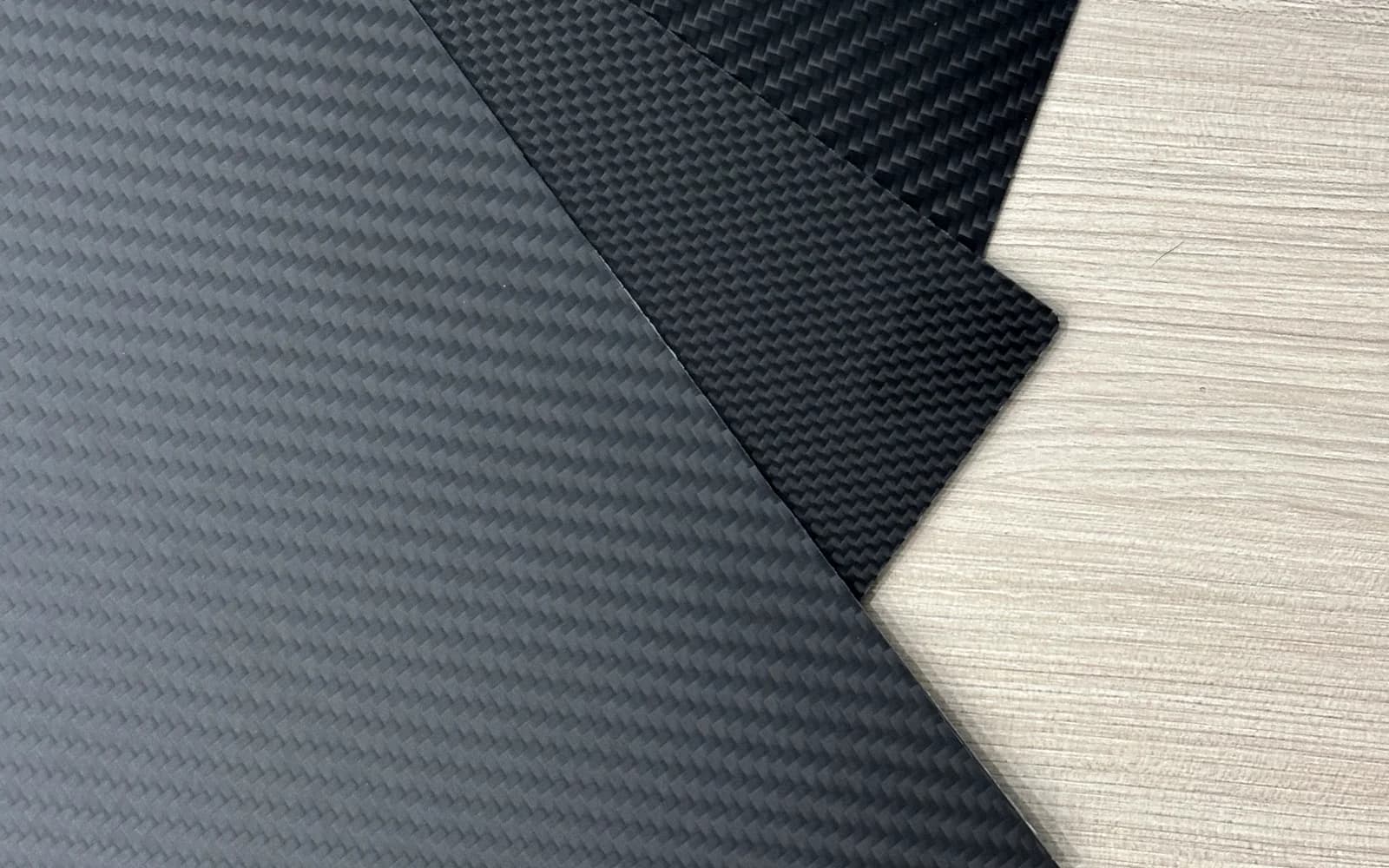
- Automotive structural panels
- Sports equipment and industrial composite panels
- Large composite shells and covers
- Industrial structures with multi-directional loads
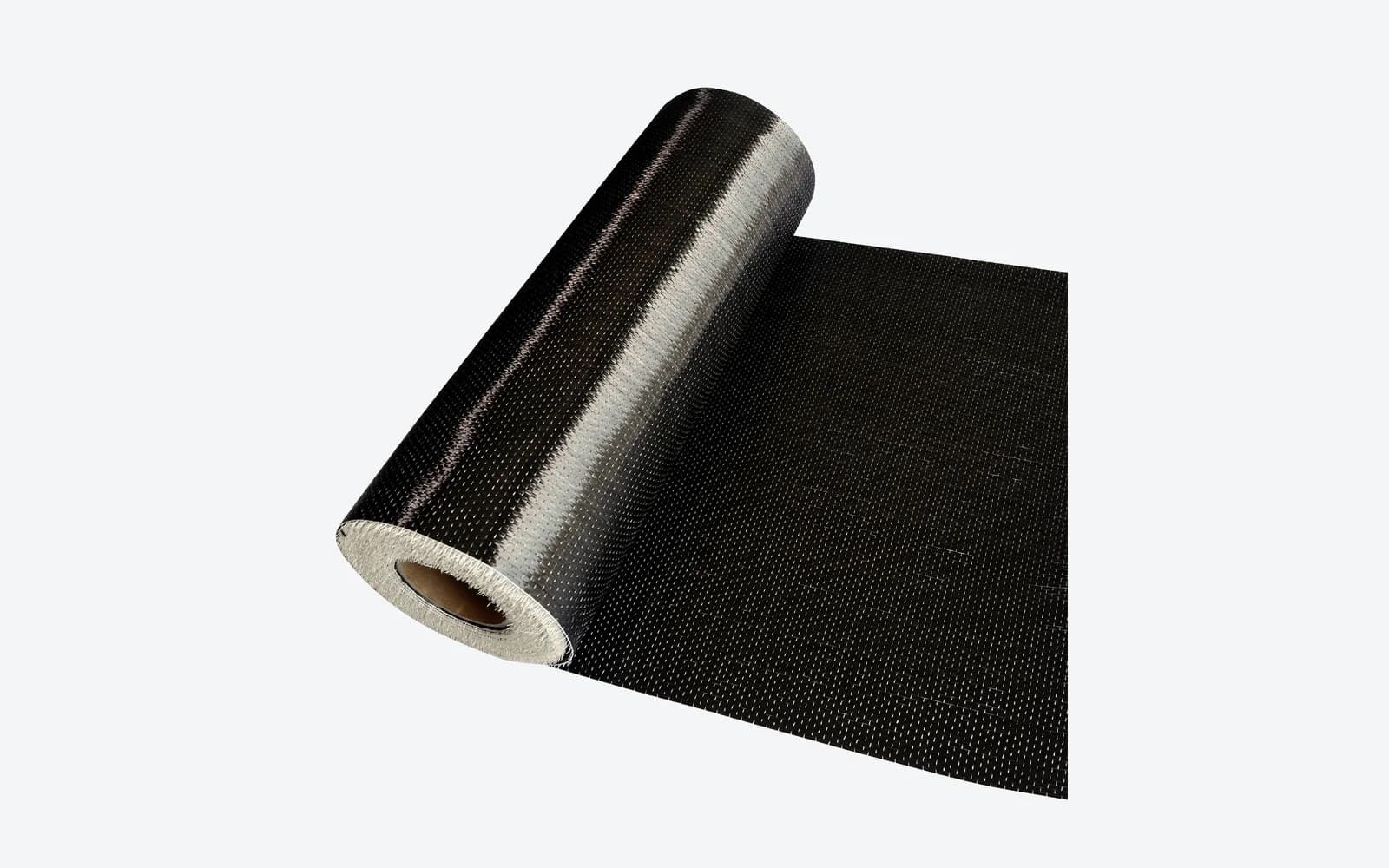
Carbon fiber multiaxial NCF fabric in 300gsm and 600gsm biaxial formats, plus UD, triaxial and quadriaxial constructions for vacuum infusion, RTM and custom composite laminates.
FRP HOME supplies carbon multiaxial non-crimp fabric with stitched 0°, 90°, +45° and -45° layers. Start an RFQ with architecture, total gsm, width, stitch, resin process and final application.
Published TDS records support the documented 300 g/m² biaxial and 600 g/m² +45°/-45° entries. Other layer sequences and fiber distributions require matching source data and order review.
| Product / inquiry | Fiber orientation | Carbon areal weight | Width and roll | Status |
|---|---|---|---|---|
| FRPH-CBX300-X | +45° / -45° | 300 g/m² | 1270 mm x 50 m | Published TDS |
| FRPH-CBX300-B | 0° / 90° | 300 g/m² | 1270 mm x 50 m | Published TDS |
| FRPH-CBX600-45 | +45° / -45° | 600 g/m² | 1270 mm x 50 m | Published TDS |
| UD / triaxial / quadriaxial / custom | Project-defined | By confirmed order | By confirmed order | Technical and commercial review |
The overview explains typical buyer context without replacing customer testing, engineering validation or official batch documents.
Carbon Fiber Multiaxial NCF Fabric, also called carbon NCF, uses stitched layers of unidirectional carbon fibers arranged at different angles. This reduces crimp and allows faster layup than stacking many separate plies.
Common constructions include biaxial ±45°, biaxial 0°/90°, triaxial 0°/+45°/-45° and quadriaxial 0°/+45°/90°/-45°. The correct architecture depends on torsion, bending, impact and laminate symmetry requirements.
FRP HOME can prepare quotation data for standard and custom multiaxial carbon fabrics according to angle, layer weight, stitching yarn, width, roll length and resin process.
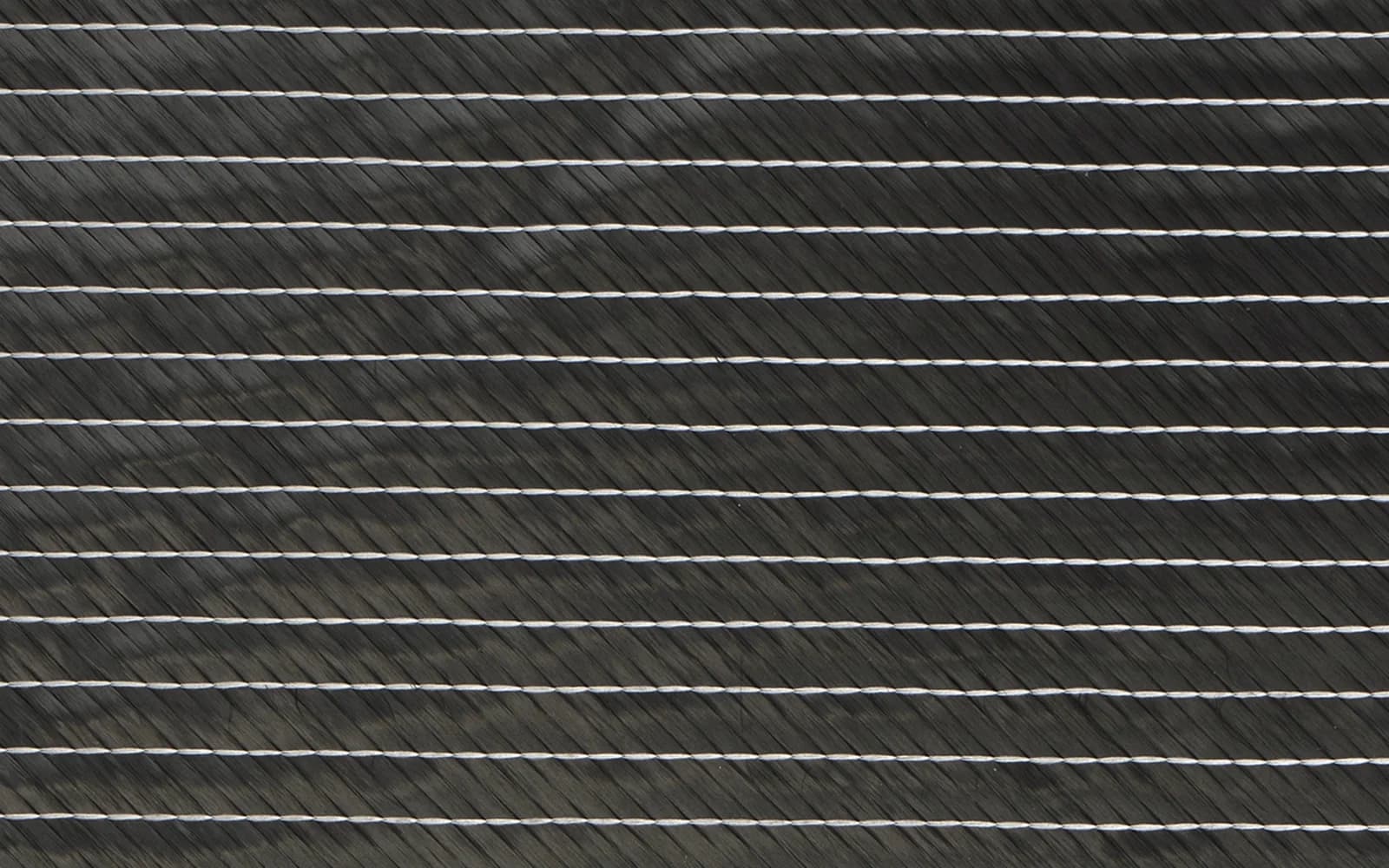
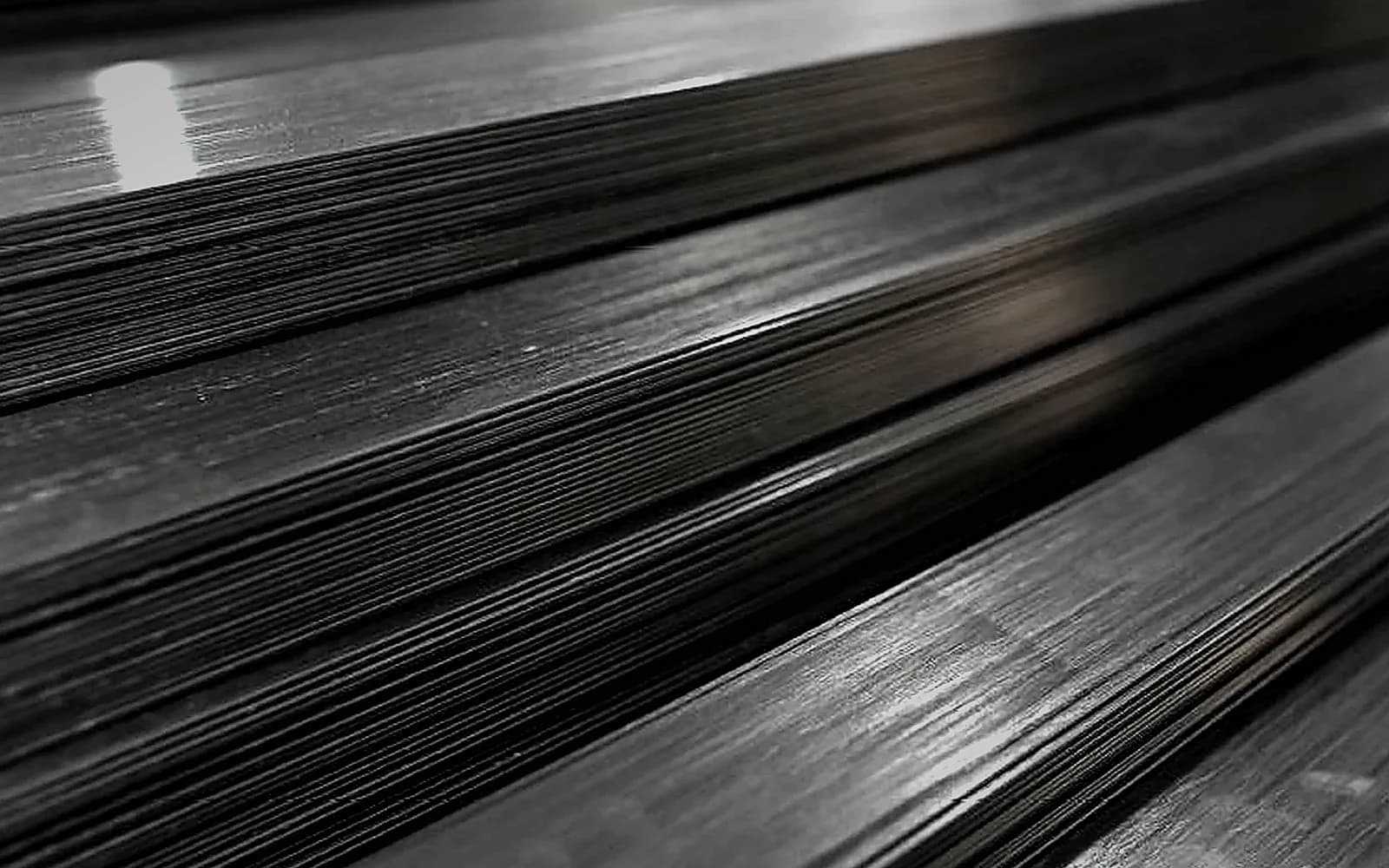
A real workshop view of carbon reinforcement layers being positioned on production equipment. Confirm the NCF architecture, 0°/90° or +45°/-45° directions, total and per-layer gsm, stitch, width and roll length against the selected TDS and RFQ.
| Item | Option | Remark |
|---|---|---|
| Fiber | 12K documented; alternatives by agreement | Confirm grade, sizing and batch documents |
| Stitch yarn | Polyester or compatible stitching | Selection by resin process |
| Layer weight | Custom per ply by project review | Engineering review required |
| Roll length | 50 m documented; alternatives by order | Depends on construction, weight and width |
| Packing | Wide roll with PE film and pallet by order | Export handling required |
Material suitability should be verified through the customer's process, design requirements and application testing.
This is a practical shortlist for RFQ preparation. Final suitability depends on customer testing, resin compatibility and engineering validation.
Start with the documented 300gsm biaxial or 600gsm +45°/-45° scope when it matches the request.
State every fiber direction, such as 0°/90° or +45°/-45°; other architectures remain order review.
Confirm total and per-layer gsm rather than assuming a laminate recommendation from the website.
Provide width, roll length, stitch requirement and cutting plan.
Identify vacuum infusion, RTM, prepreg conversion or another resin process.
Attach the laminate schedule and provide quantity, destination and final application.
Brand availability depends on stock, batch, order quantity, destination country and compliance review. We do not imply official authorization unless separately stated.
Document availability depends on material family, specification, order agreement and batch. Final values are confirmed by official documents, not by website examples.
Material specifications, typical properties and recommended use.
Hazard information, handling guidance and safety measures where applicable.
Batch information and material characteristics when available for confirmed orders.
Packing method depends on roll size, component geometry, quantity and destination. Roll protection, cartons, pallets, labels and packing photos can be discussed before shipment.
Quadriaxial fabric normally combines four fiber directions, such as 0°, +45°, 90° and -45°, stitched into one reinforcement for multi-directional loads.
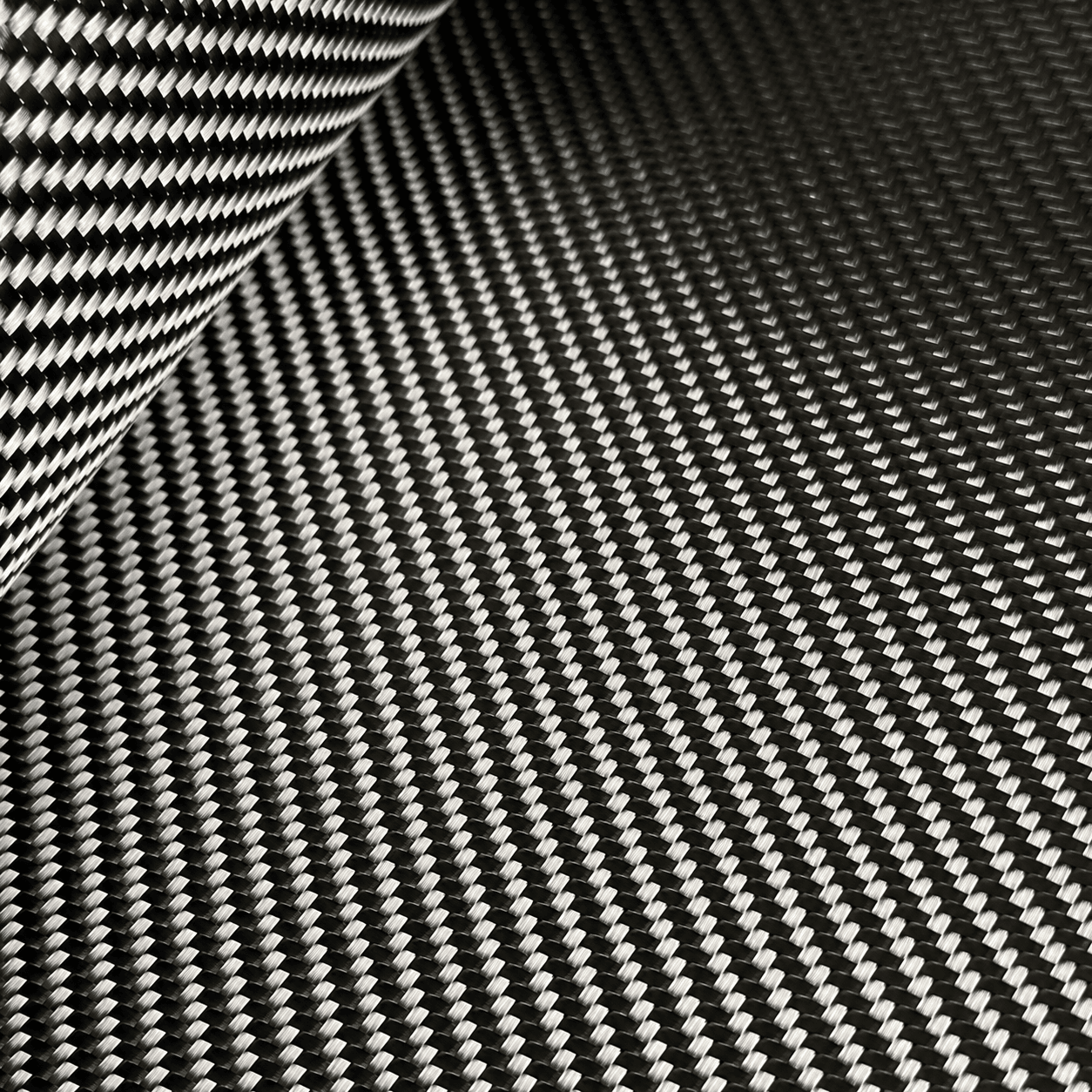
No. Multiaxial fabric is usually a non-crimp stitched reinforcement, while woven cloth interlaces yarns and has more crimp but easier handling for many cosmetic parts.
Yes. FRP HOME publishes verified English TDS documents for 300gsm biaxial formats and a balanced 600gsm +45°/-45° carbon NCF. The final orientation, width, stitch, roll length and order specification must be confirmed before supply.
These are common target processes for stitched carbon NCF, but resin compatibility, permeability, laminate stack, compaction and representative process trials must be reviewed for each project.
Provide the architecture, directions, total and per-layer gsm, width, roll length, stitch requirement, resin process, quantity, destination and final application.
Compare woven, UD, multiaxial and spread tow fabric, then prepare the laminate and process information needed for an RFQ.
Use these guides to compare material options and prepare a specification-first RFQ. Final order values remain subject to quotation and document review.
Include the selected product type, end use, destination country, required documents and any drawings or previous specifications.