
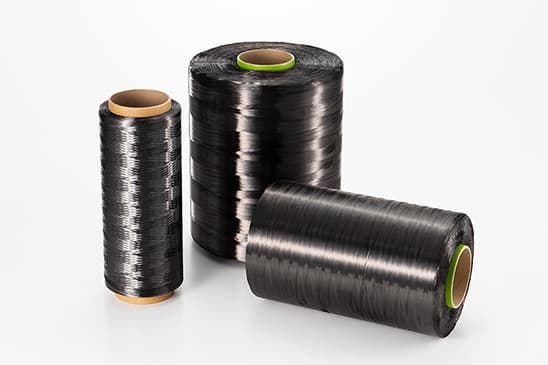
Carbon Fiber Tow RFQ Checklist in one minute.
A complete carbon fiber tow RFQ states the tow size, exact source grade, sizing compatibility, downstream process, bobbin format, trial and production quantity, destination and final application. FRP HOME's published reference covers a 12K, epoxy-sized, untwisted source grade with 800 g/km linear density and a nominal 4 kg bobbin. Other tow sizes and grades require separate source, availability and document confirmation.
Technical review: 2026-07-27
What the terms mean.
Carbon fiber tow is a continuous bundle of carbon filaments supplied on a bobbin or spool for weaving, braiding, filament winding, pultrusion, prepreg conversion or chopping. The K value identifies approximate filament count; it does not identify tensile strength, modulus, sizing, twist, source grade or package. Those fields must be confirmed separately.
Key differences for material selection.
| RFQ field | Example | Why the supplier needs it |
|---|---|---|
| Tow size | 12K documented; other K counts by source review | Defines the approximate filament-count class and handling range |
| Exact source grade | FRPH-CF12K55 / source grade ZDCF 55T-12K | Connects the RFQ to the applicable supplier-origin data and traceability |
| Typical source properties | 5500 MPa strength, 240 GPa modulus, 2.2% elongation | Reference values tested to GB/T 3362-2017; not a batch certificate or laminate allowable |
| Linear density | 800 g/km typical | Affects package length, textile conversion and process setup |
| Sizing and twist | Epoxy sizing; untwisted | Supports resin and downstream-equipment compatibility review |
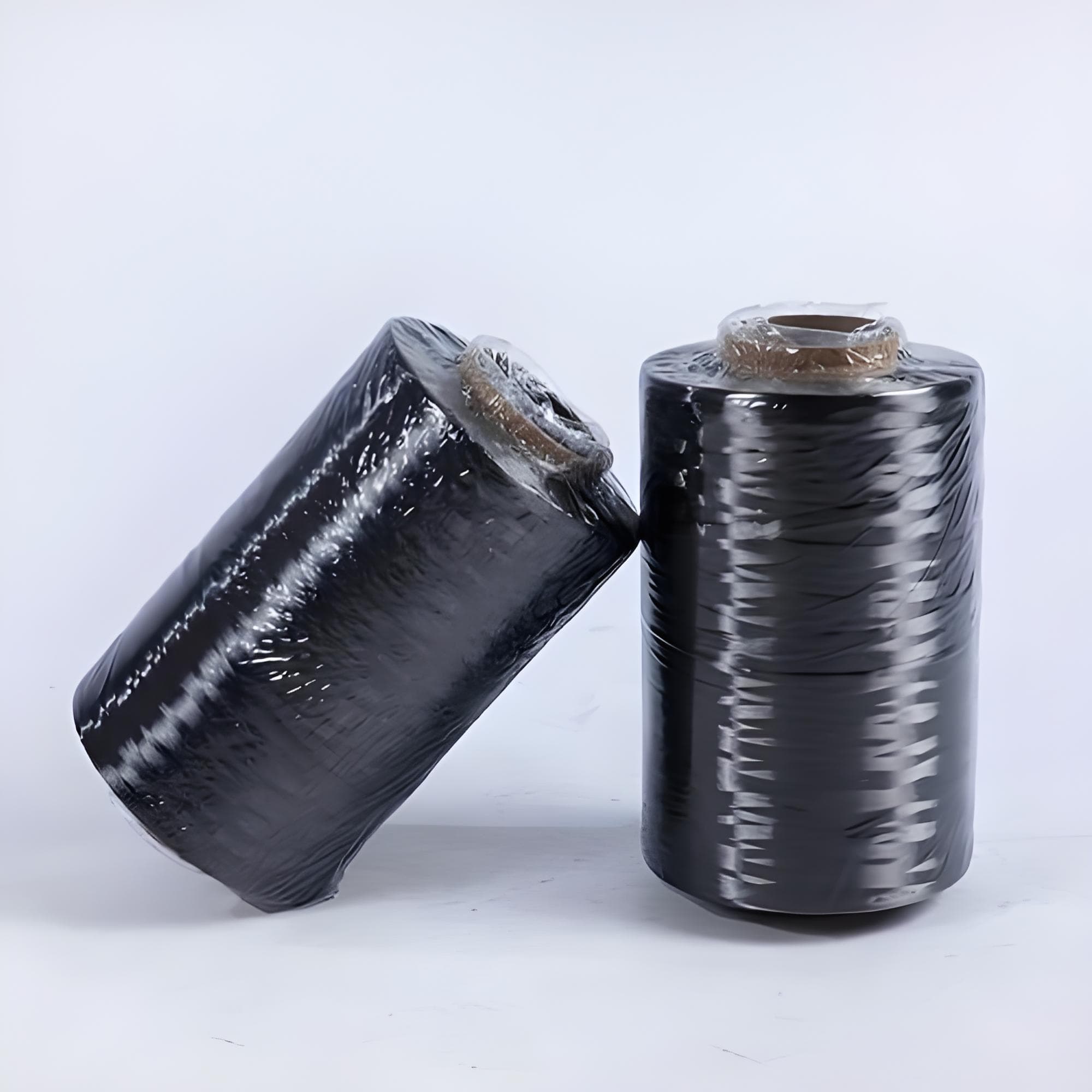
| Package | Nominal 4 kg bobbin for the documented source grade | Supports creel, handling, packing and quotation review |
| Commercial scope | Trial and production quantity, destination and end use | Supports source availability, compliance and shipping review |
How engineers and buyers should choose.
Start with the downstream process and equipment rather than choosing tow size from K value alone.
Name the exact required source grade or attach the controlling property document. A general label such as 12K or T700 is not a complete product identity.
State the resin family and sizing restriction; do not assume every epoxy-sized tow behaves identically in weaving, pultrusion, winding or prepreg conversion.
Confirm bobbin dimensions, nominal net weight, winding format, unwind direction and creel limitations before the production quotation.
Request source traceability, applicable TDS and required COA fields. The published supplier-origin values are not a batch certificate.
Separate the representative trial quantity from the expected production quantity and provide destination, end user and final application for compliance review.
Where this comparison matters.
Typical values to confirm.
| Specification | Typical options |
|---|---|
| Documented product | 12K continuous carbon fiber tow; FRPH-CF12K55 / source grade ZDCF 55T-12K |
| Typical tensile properties | 5500 MPa strength, 240 GPa modulus and 2.2% elongation to GB/T 3362-2017 |
| Density | 1.80 g/cm³ typical to GB/T 30019-2013 |
| Linear density | 800 g/km typical to GB/T 3362-2017 |
| Sizing and twist | Epoxy sizing; untwisted supplier declaration |
| Package reference | Nominal 4 kg bobbin; final dimensions and packing by quotation |
| Evidence boundary | Supplier-origin reference values; no FRP HOME manufacture or official brand authorization is implied |
| Other tow sizes | 1K / 3K / 6K / 24K / 48K / 50K only by confirmed source, availability and matching documents |
Download the references used in this guide.
These English PDFs are tied to the listed product scope. Confirm the final order specification and required batch documents in the RFQ.
Product pages to compare next.

Details needed before quotation.
Clear RFQ information helps avoid wrong material selection and repeated emails.
Common technical questions.
Is 12K T700 enough information for a carbon fiber tow quotation?
No. It identifies a tow-size class and grade family, but the exact manufacturer grade, sizing, package format, quantity, destination and downstream process still need confirmation.
Can one carbon fiber tow be used for weaving, pultrusion and filament winding?
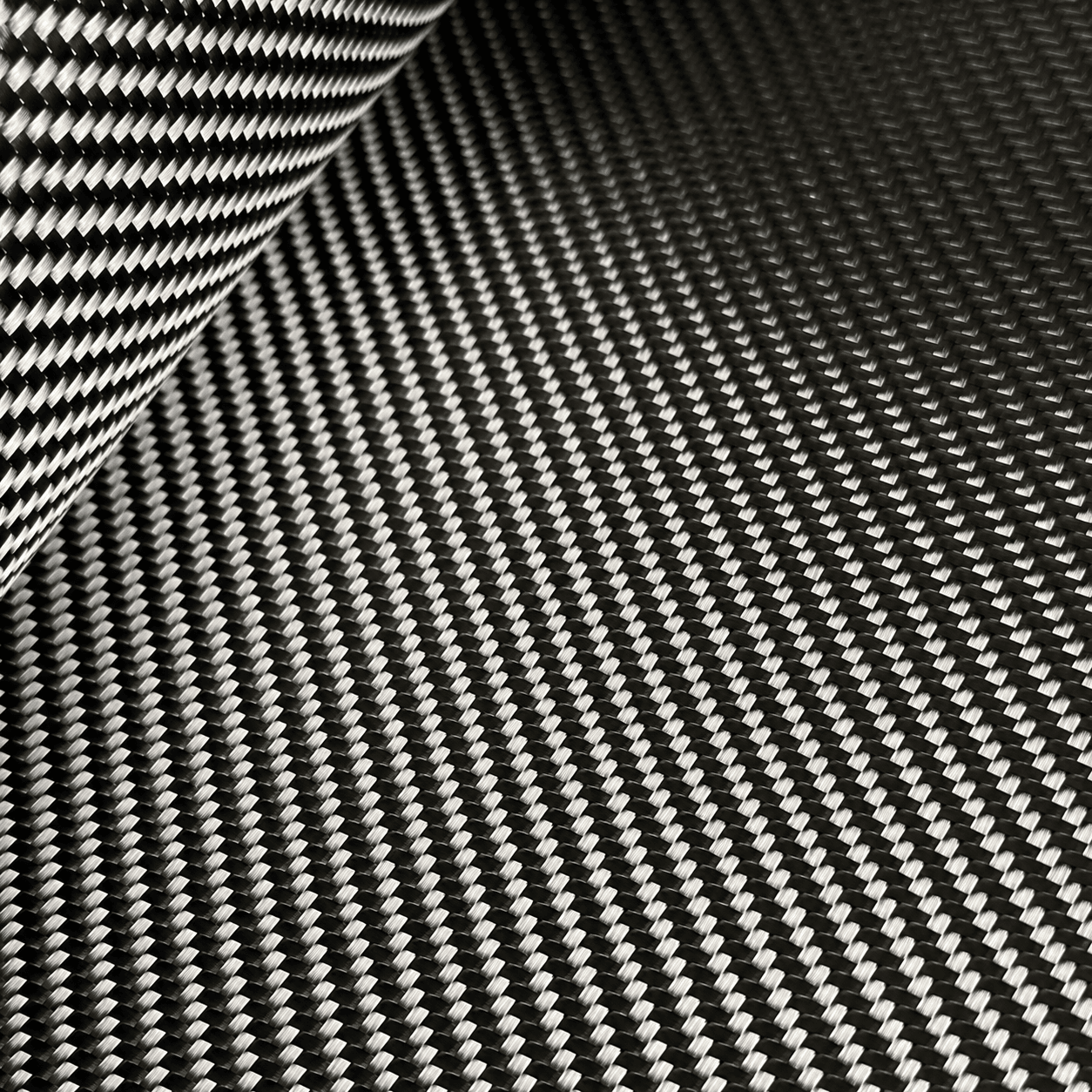
A grade may be offered for more than one process, but sizing, package, spreading, fuzz control and equipment compatibility should be reviewed for the actual conversion route.
Should a buyer request a trial bobbin before production?
A representative trial is sensible when changing tow size, grade, sizing, source or equipment settings. Production approval remains based on the customer's process validation and selected batch documentation.
Does a larger K value mean stronger carbon fiber?
No. The K value is an approximate filament count. Strength and modulus are controlled by the selected fiber grade and manufacturer data, while final laminate performance also depends on processing and design.
Are the published 5500 MPa and 240 GPa values guaranteed for every 12K shipment?
No. They are typical supplier-origin values for the identified source grade. Confirm source availability, the final order specification, applicable test methods and required batch or COA values before purchase approval.
Does the FRP HOME TDS mean FRP HOME manufactures or is officially authorized for the source grade?
No. The document identifies supplier-origin reference data for procurement review. Manufacture, official brand authorization, source availability and batch traceability are not implied and must be confirmed separately.
Sources reviewed for this guide.
These references support the general process guidance. Final material approval must use the selected product, resin and process documentation.