
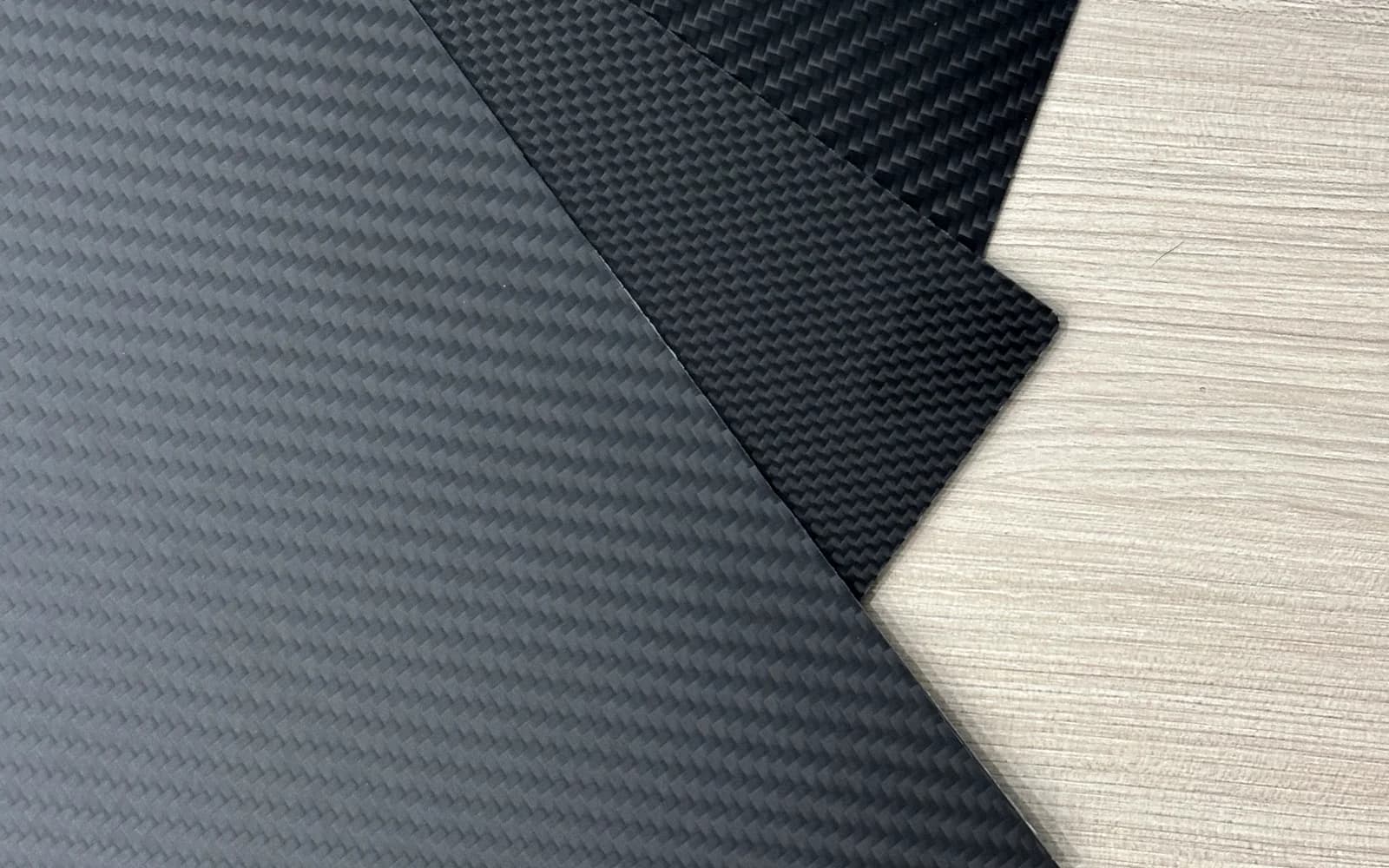
Material shortlist for this application.
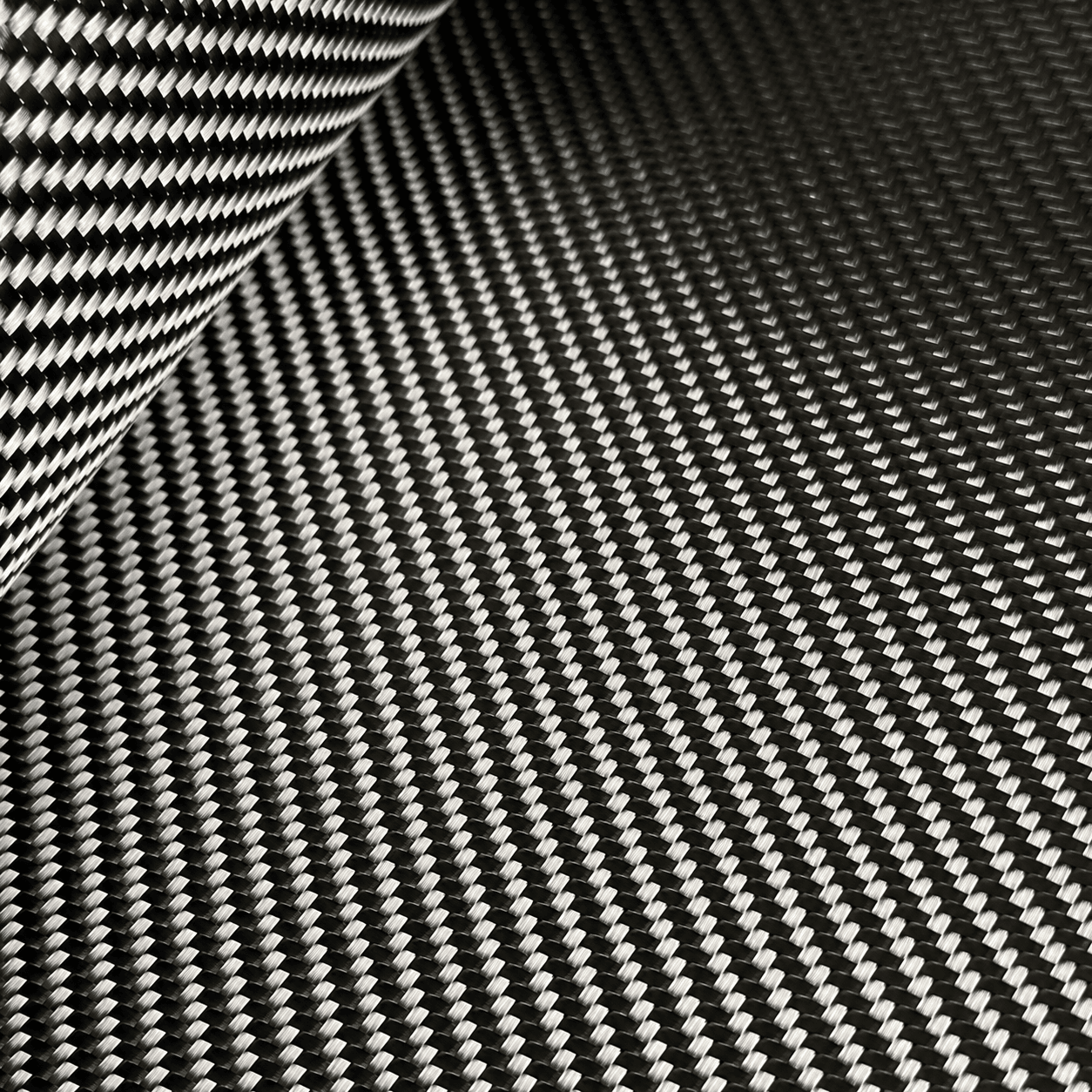
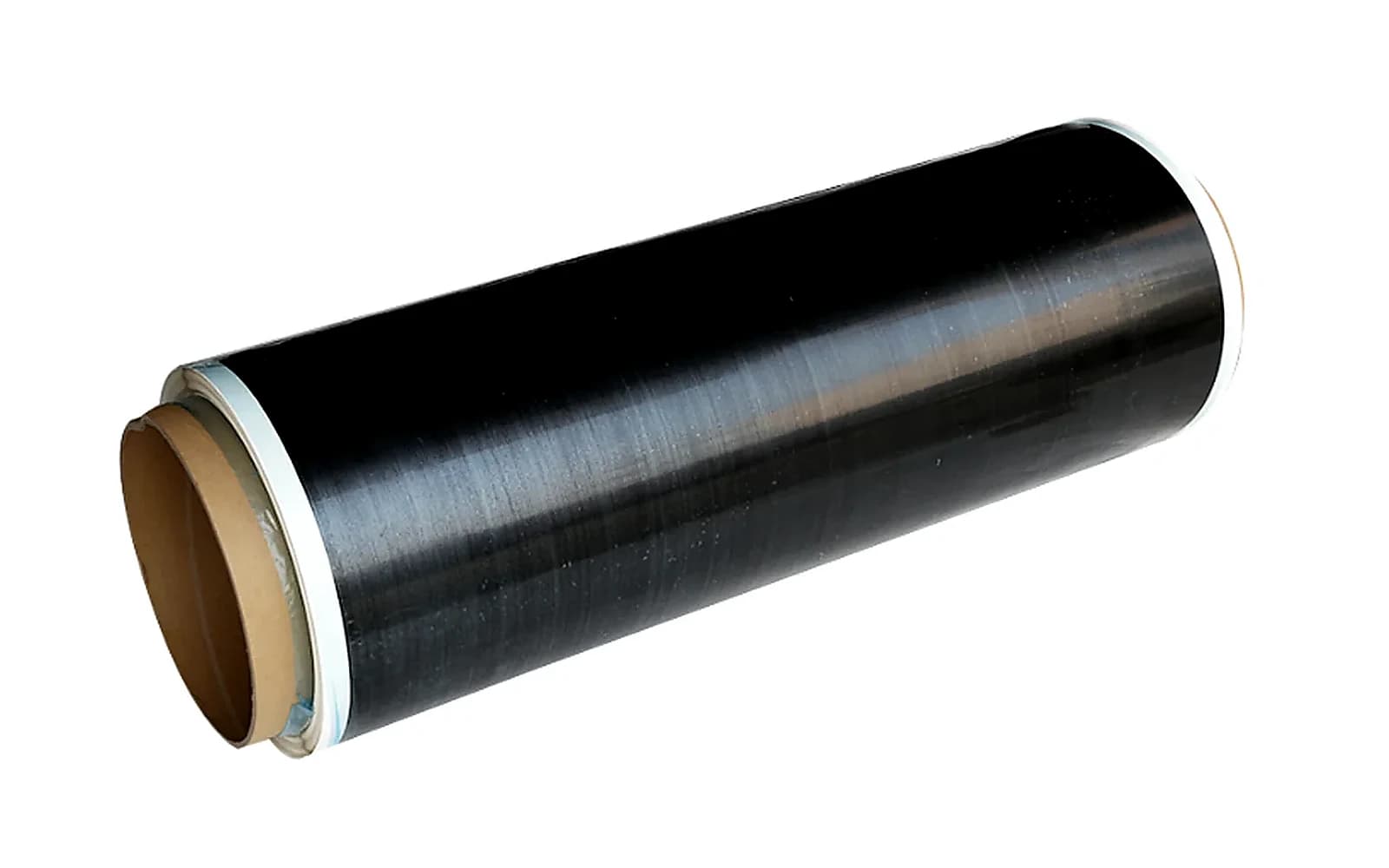
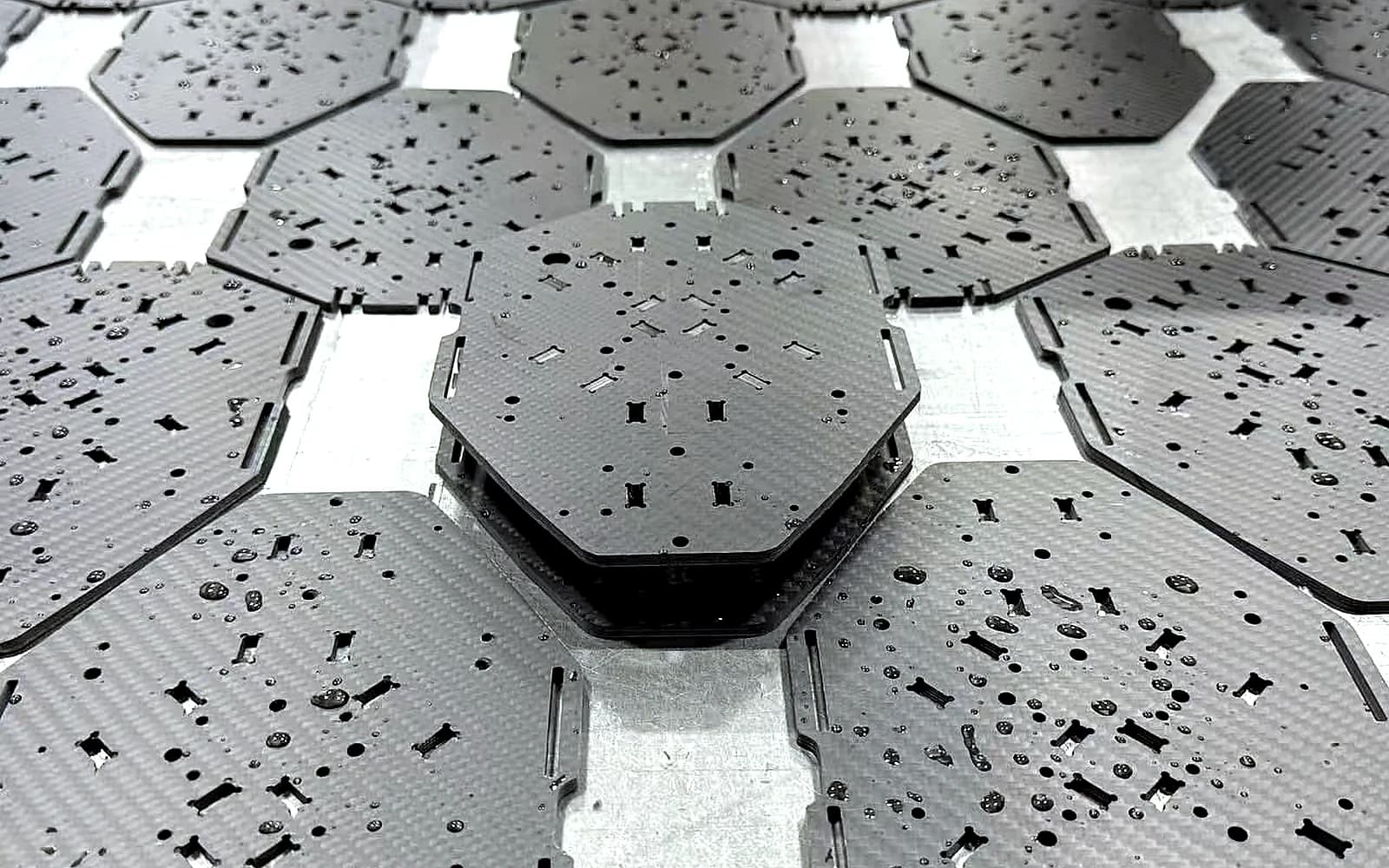
Automotive carbon fiber parts commonly use 3K woven fabric, spread tow fabric, prepreg, carbon fiber sheets and custom CFRP components when visible surface quality, stiffness and lightweight performance are required.
Where the material advantage comes from.
Start selection from these product families.
Typical details to confirm before quotation.
| Item | Typical options |
|---|---|
| Visible fabric | 3K twill / plain / spread tow |
| Documented visible fabric | 3K 200 g/m² twill; other constructions by review |
| Prepreg format | Woven prepreg or UD prepreg by part requirement |
| Sheet thickness | Order-specific by drawing and quotation |
| Finish | Gloss, matte, clear coat or sanded by order |
How to choose the starting material.
Use dry woven fabric when the customer controls the resin process.
Use prepreg when resin content, surface repeatability and cure cycle are controlled.
Use laminate sheet when the part is CNC cut from flat stock.
Share surface finish, thickness, drawing and annual demand before quotation.
Prepare these details for a faster quotation.
Product pages linked to this application.

Compare woven carbon options before RFQ.
These guides explain 3K 200gsm construction, weave choice and tow-size differences for automotive composite purchasing.
Common application questions.
Which carbon fabric is common for automotive visible parts?
3K twill carbon fiber fabric is a common starting point. Spread tow fabric may be selected when a flatter checker pattern is preferred.
Should automotive parts use prepreg or dry fabric?
Prepreg is better for controlled resin content and repeatable molded parts. Dry fabric is practical for wet lay-up, repair and lower-volume processing.