
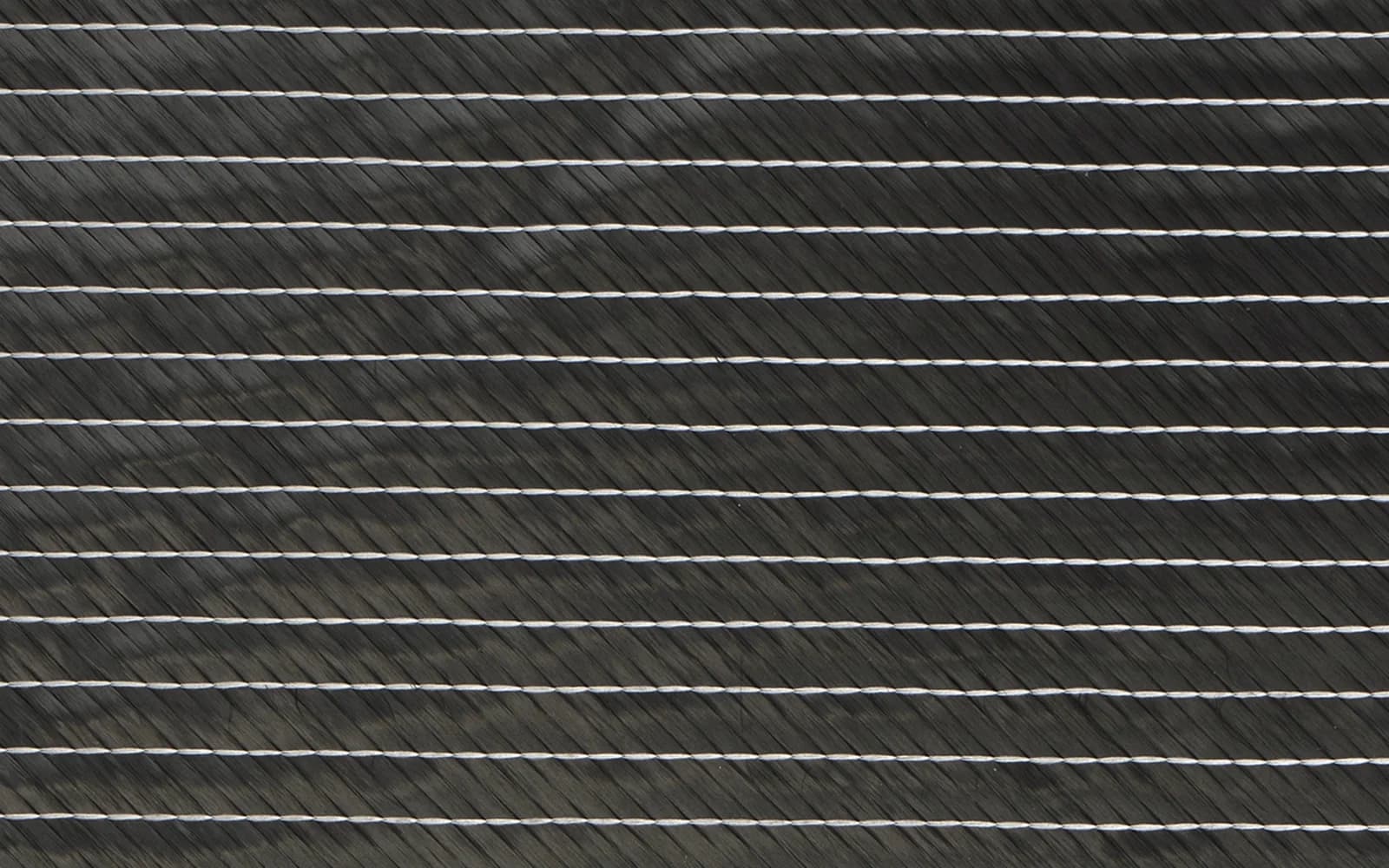
Biaxial vs Triaxial vs Quadriaxial Carbon NCF in one minute.
Biaxial NCF combines two directions, triaxial combines three, and quadriaxial combines four. The documented FRP HOME supply references include 300gsm and 600gsm biaxial constructions plus a supplier-origin quadraxial record with four 100 g/m2 12K layers at 0/+45/90/-45, 8 g/m2 polyester stitching and 408 g/m2 total dry-fabric weight. The correct format still follows the required load paths and laminate schedule; more directions are not automatically better.
Technical review: 2026-07-27
What the terms mean.
NCF architecture describes how several directional carbon layers are assembled and stitched. Common direction sets include 0°/90°, +45°/-45°, 0°/+45°/-45° and 0°/+45°/90°/-45°. The documented quadraxial source record uses the final four-direction set, but every order must state the exact layer order, mass distribution, fiber source, stitch and roll format.
Key differences for material selection.
| Architecture | Direction example | Procurement consideration |
|---|---|---|
| Biaxial | 0°/90° or +45°/-45° | Two-direction reinforcement and straightforward ply planning |
| Triaxial | 0°/+45°/-45° | Three-direction reinforcement in one stitched construction |
| Quadriaxial | 0°/+45°/90°/-45° | Source record: four 100 g/m2 12K layers plus 8 g/m2 stitch; confirm final source and order |
| Custom NCF | Project-defined | Requires complete layer and mass distribution details |
How engineers and buyers should choose.
Use the laminate engineer's load directions as the starting point.
Compare combined-layer handling against the flexibility of separate plies.
Confirm total gsm and the mass allocated to each direction.
For the documented quadraxial supply reference, confirm 12K standard-modulus source fiber, 800 tex, four 100 g/m2 layers, 78 dtex polyester stitch and 408 g/m2 total dry weight.
Treat the 1270 mm +/- 5 mm width and 25.72 kg / 50 m roll as source-reference values that require order confirmation.
Validate drape, compaction and resin flow on representative geometry.
Where this comparison matters.
Typical values to confirm.
| Specification | Typical options |
|---|---|
| Directions | Project-defined 0° / 90° / +45° / -45° |
| Construction | Biaxial / triaxial / quadriaxial |
| Quadraxial source reference | 0/+45/90/-45; 400 g/m2 carbon; 408 g/m2 total dry fabric |
| Quadraxial roll reference | 1270 mm +/- 5 mm x 50 m; 25.72 kg |
| Order controls | Layer mass / fiber source / stitch / width / roll / resin process |
Download the references used in this guide.
These English PDFs are tied to the listed product scope. Confirm the final order specification and required batch documents in the RFQ.
Product pages to compare next.
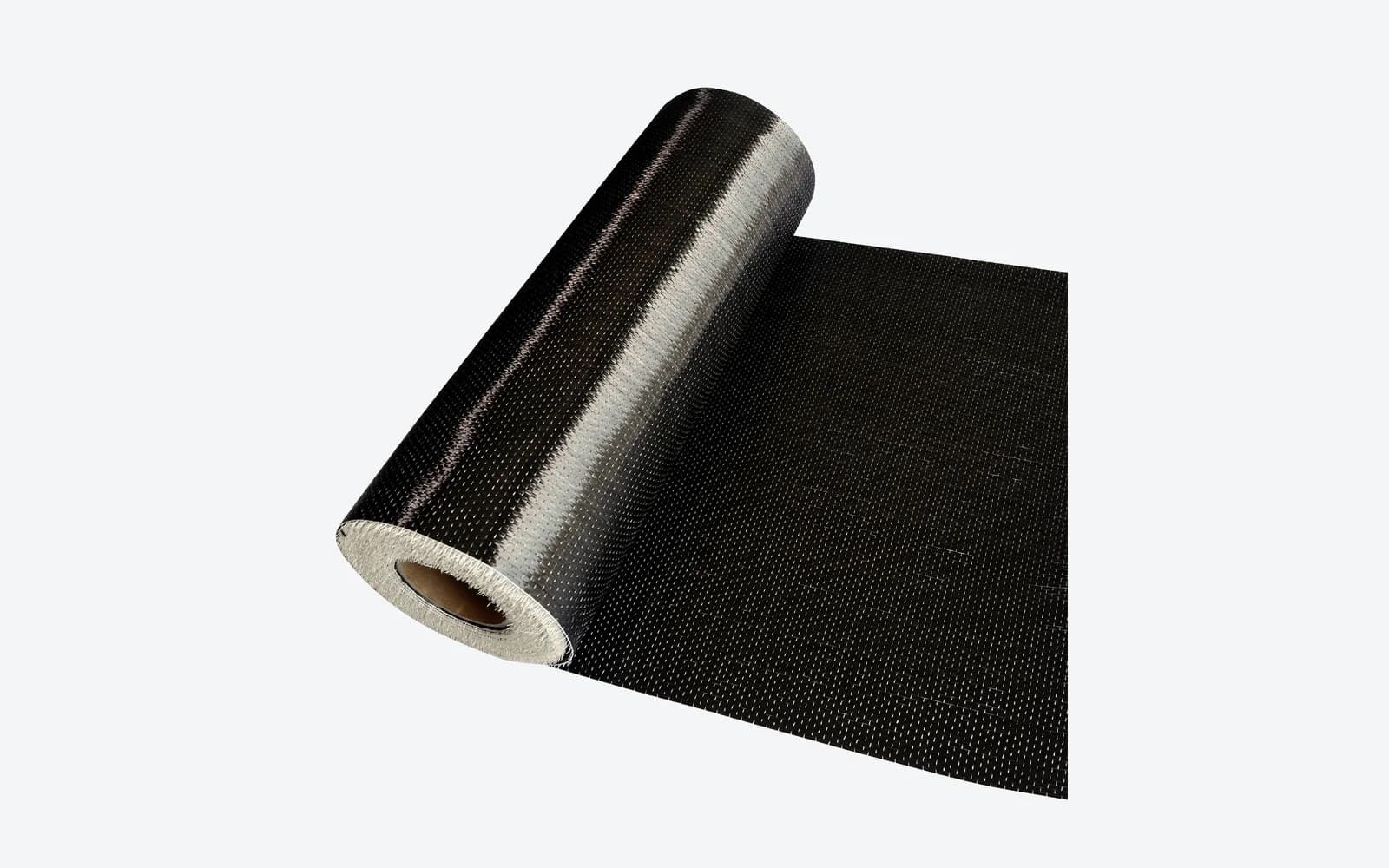
Details needed before quotation.
Clear RFQ information helps avoid wrong material selection and repeated emails.
Common technical questions.
Is quadriaxial NCF always more efficient than biaxial NCF?
No. Efficiency depends on required load directions, ply schedule, drape, process and part geometry.
Can the direction order be customized?
Project-defined constructions can be reviewed when the layer sequence, mass distribution, width, volume and process are provided.
Is the 400gsm quadraxial reference a batch certificate?
No. It is a supplier-origin construction reference for 0/+45/90/-45 NCF. FRP HOME manufacture, source authorization, stock and batch availability are not implied; the final specification and batch documents must be confirmed with the order.
Sources reviewed for this guide.
These references support the general process guidance. Final material approval must use the selected product, resin and process documentation.