Recommended For
- Directional reinforcement
- Structural strengthening
- Pultrusion feed
- Repair laminates
- Load-path controlled composite parts
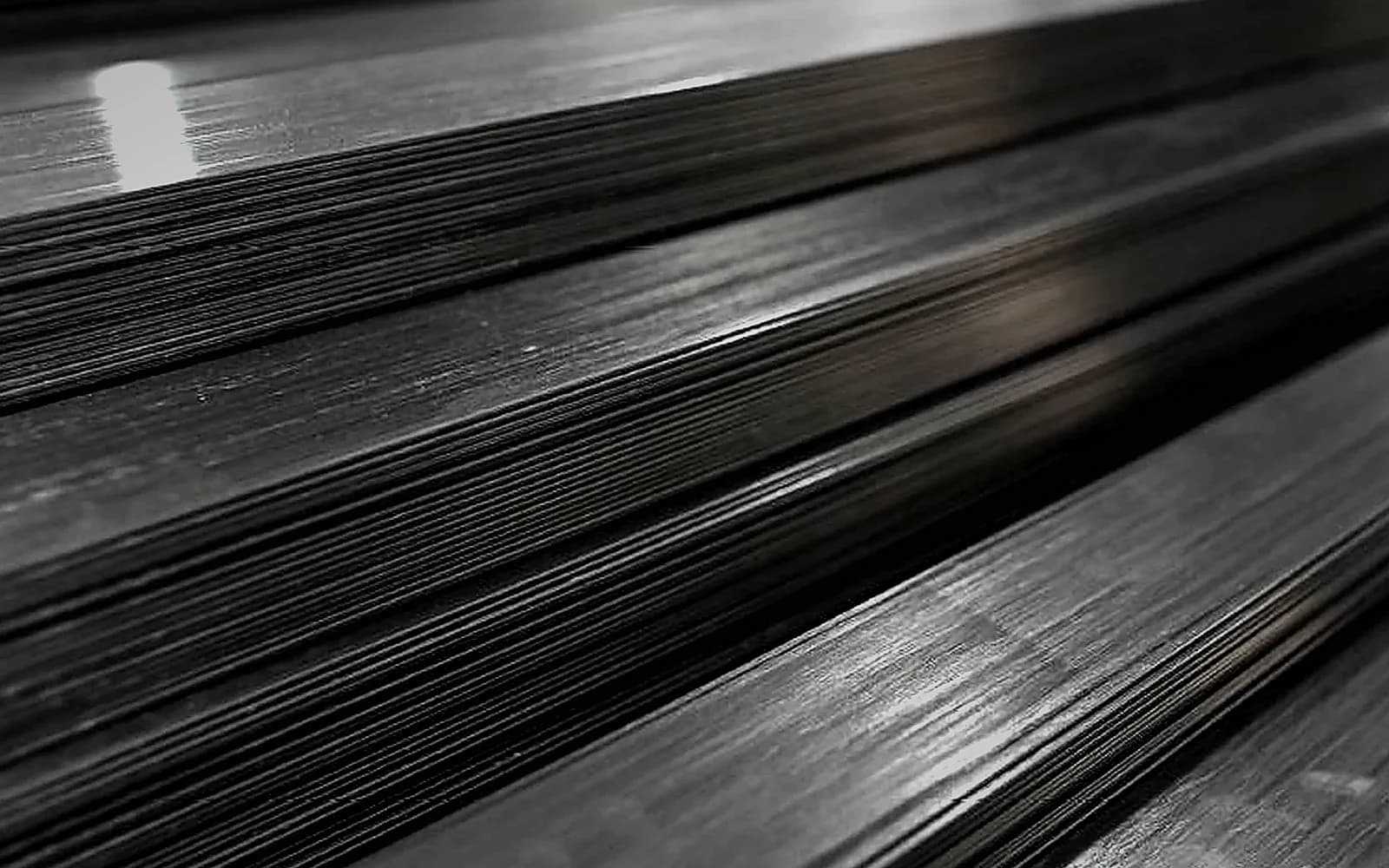
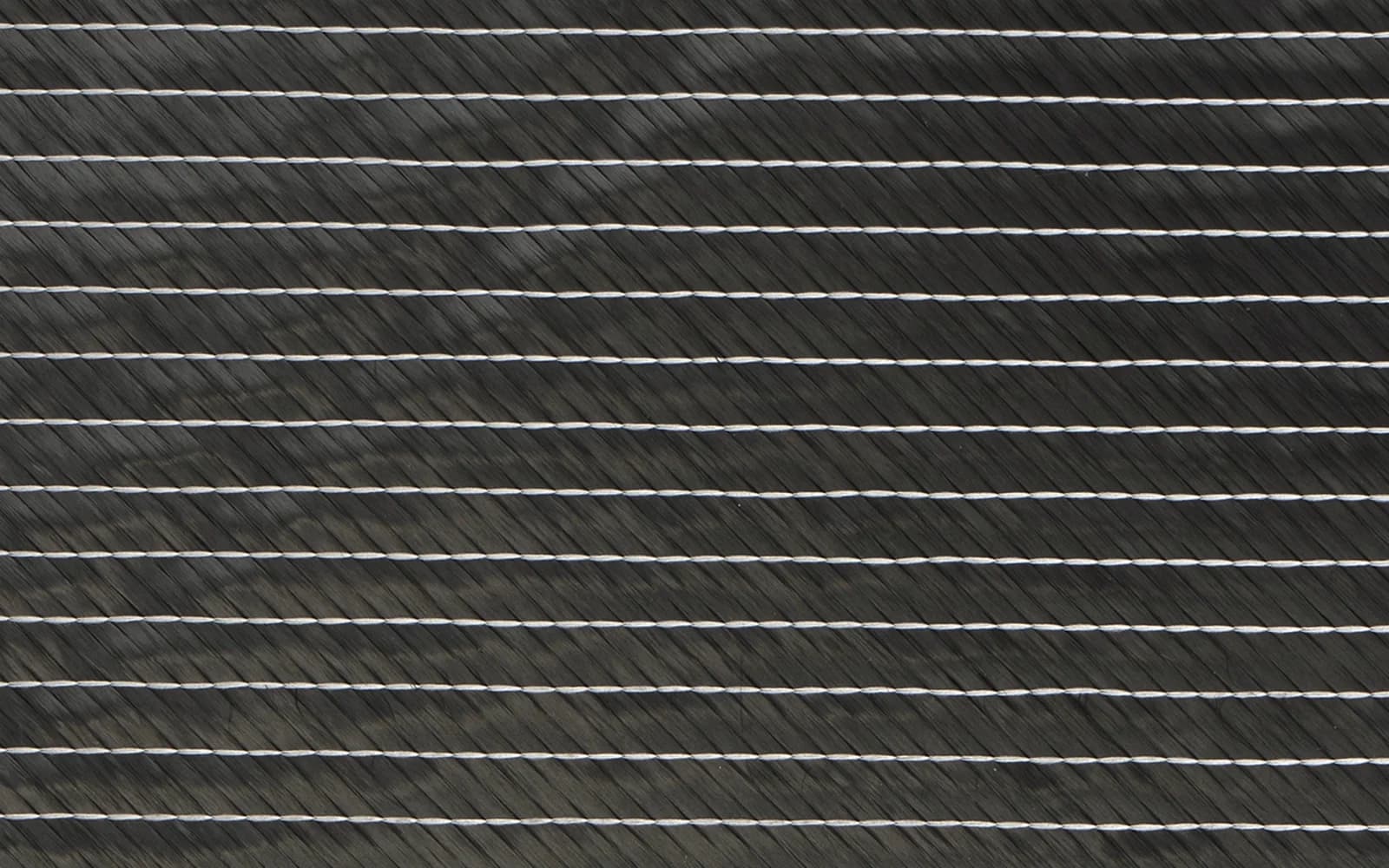
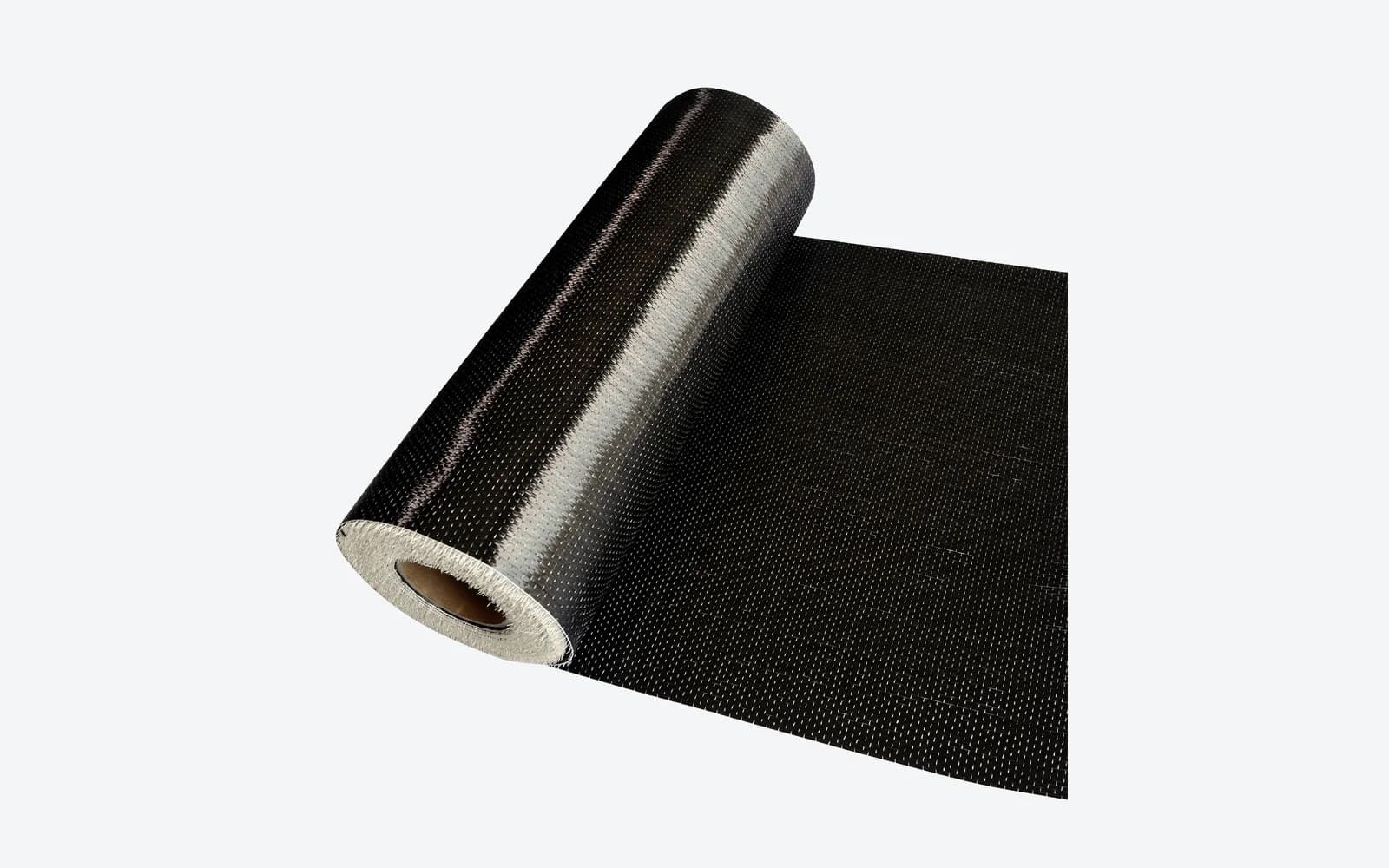
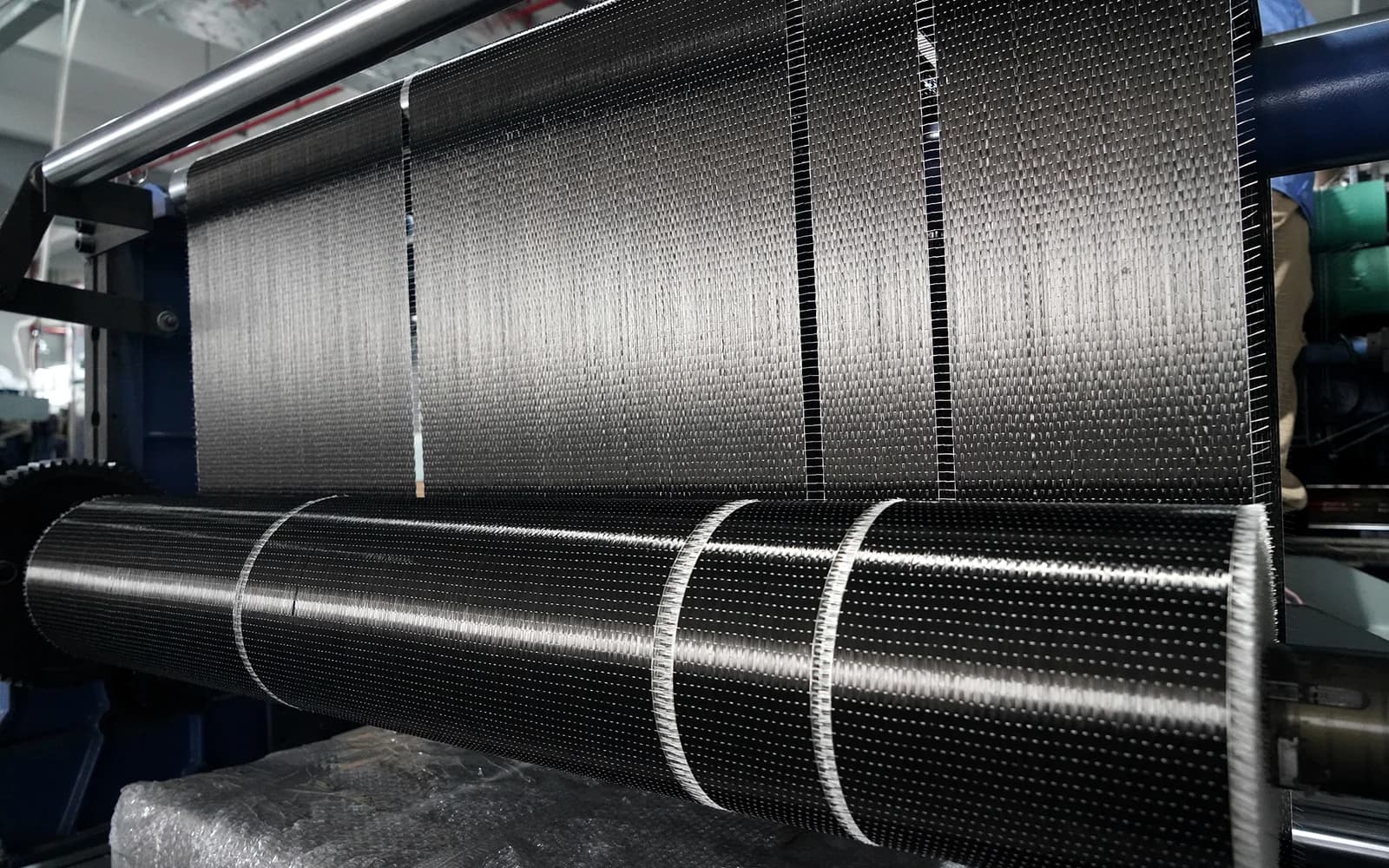
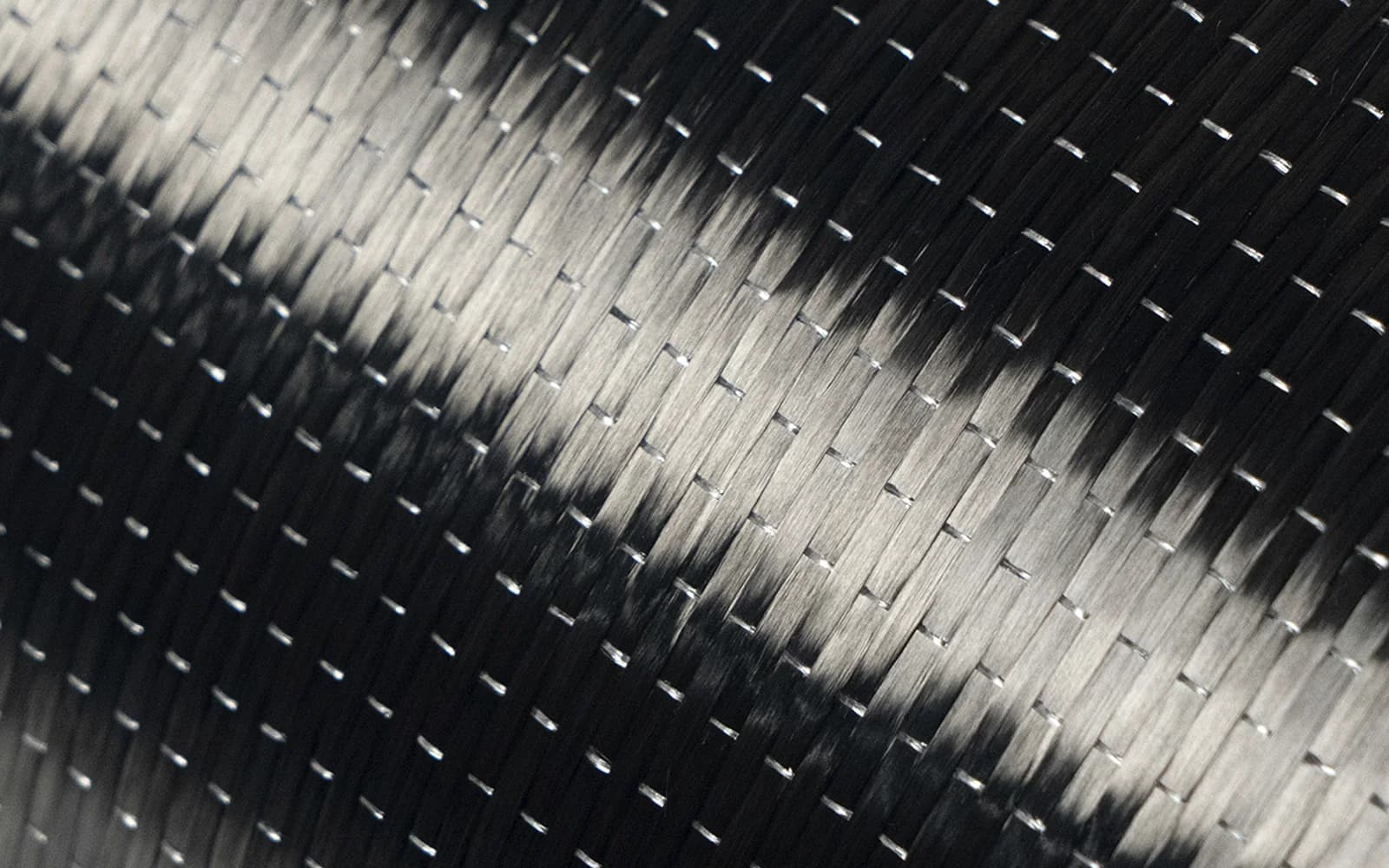
Unidirectional carbon fiber reinforcement with most fibers aligned in one direction for directional strength, stiffness and controlled layup orientation.
UD carbon fiber fabric is used when directional strength, stiffness and controlled layup orientation are required for composite laminates, structural reinforcement, repair, pultrusion and strengthening.
The 300 g/m² row is supported by a product TDS. The 200 g/m² row is a clearly labeled legacy-source supply reference with narrower evidence. Other constructions remain quotation items until matching product data are confirmed.
| Product / inquiry | Areal weight | Width | Fiber direction | Thickness / status | Order review |
|---|---|---|---|---|---|
| FRPH-UD200-SUPPLY | 200 g/m² | By quotation | 0° | 0.111 mm nominal dry-fiber reference | Confirm current source, grade, sizing, width, roll and batch documents |
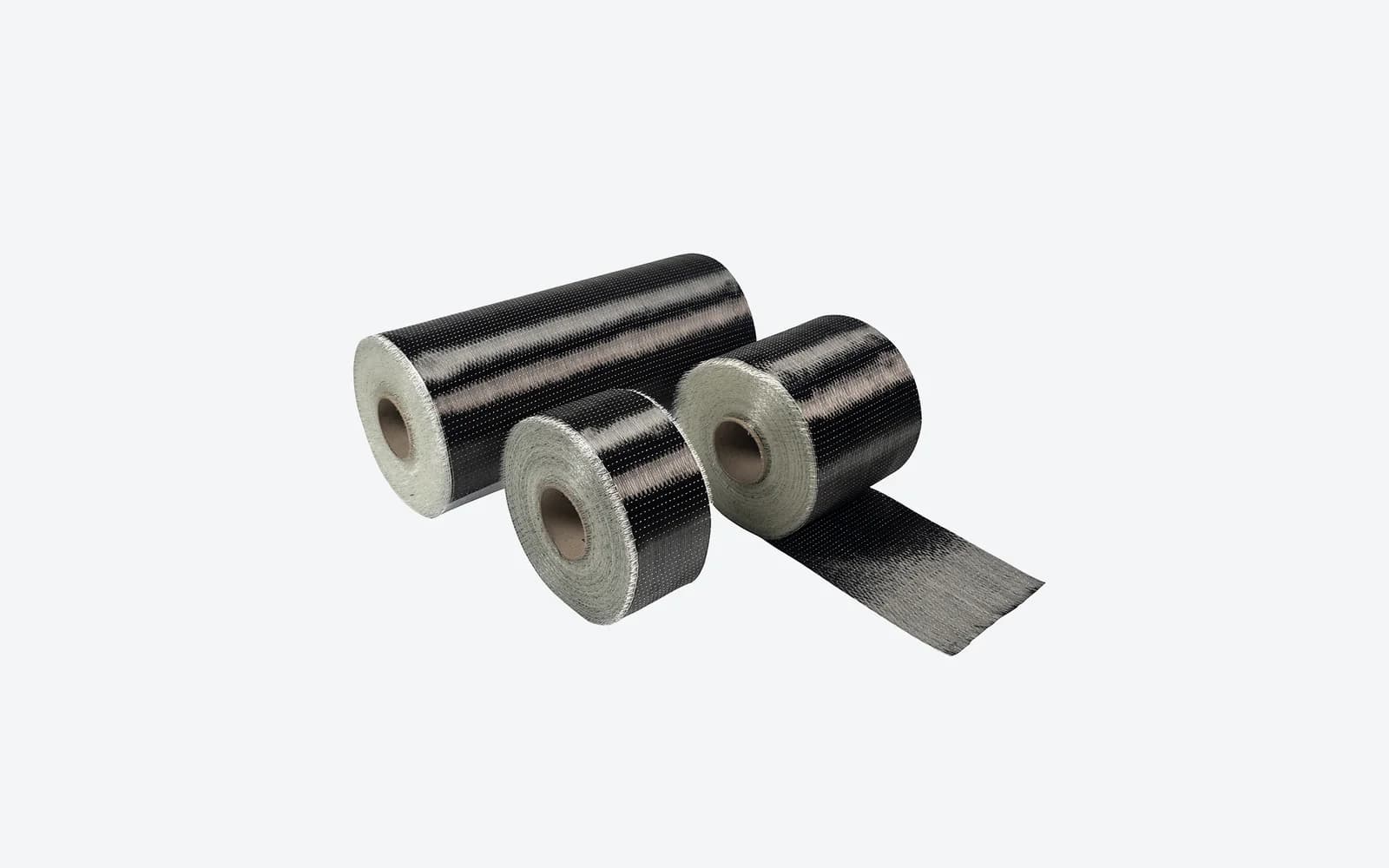
| FRPH-UD300 | 300 g/m² | 100-500 mm | 0° | 0.167 mm nominal / published TDS | Confirm grade, sizing, roll and batch documents |
| Other UD construction | By project specification | By project specification | Project-defined | Matching product data required | Technical and commercial review |
The overview explains typical buyer context without replacing customer testing, engineering validation or official batch documents.
Carbon Fiber UD Fabric places most of the carbon fiber in one principal direction, allowing engineers to build tensile strength and stiffness exactly where the laminate or reinforcement system needs it.
The material is suitable for CFRP strengthening, pultruded profiles, directional reinforcement strips, fishing rod components, sports goods and other components where directional performance is more important than a balanced woven appearance.
FRP HOME publishes a product TDS for a 300 g/m² UD fabric in 100-500 mm widths and a separately labeled legacy-source supply reference for a 200 g/m² strengthening fabric. Other weights, widths and fiber constructions require matching product records and order confirmation.
| Item | Required confirmation | Control basis |
|---|---|---|
| Fiber grade and sizing | Selected supplier grade and downstream resin process | Supplier TDS / order specification |
| Areal weight and width | Selected product and required tolerance | Published TDS / order specification |
| Binder or stitching | Construction required by the process | Approved sample / order specification |
| Roll and packing | Roll length, core and export protection | Quotation and packing record |
Material suitability should be verified through the customer's process, design requirements and application testing.
This is a practical shortlist for RFQ preparation. Final suitability depends on customer testing, resin compatibility and engineering validation.
State the fibre direction defined by the customer's laminate or qualified engineering review.
Start from the documented 300 g/m² product TDS or identify the separate 200 g/m² supply-reference scope.
Choose width, roll length, grade and sizing against the selected process and source documents.
Provide the resin or adhesive system for compatibility review; do not rely on a generic resin-consumption value.
For strengthening work, identify the structure and use a qualified engineer to confirm the material system and installation method.
Brand availability depends on stock, batch, order quantity, destination country and compliance review. We do not imply official authorization unless separately stated.
Document availability depends on material family, specification, order agreement and batch. Final values are confirmed by official documents, not by website examples.
Material specifications, typical properties and recommended use.
Hazard information, handling guidance and safety measures where applicable.
Batch information and material characteristics when available for confirmed orders.
Packing method depends on roll size, component geometry, quantity and destination. Roll protection, cartons, pallets, labels and packing photos can be discussed before shipment.
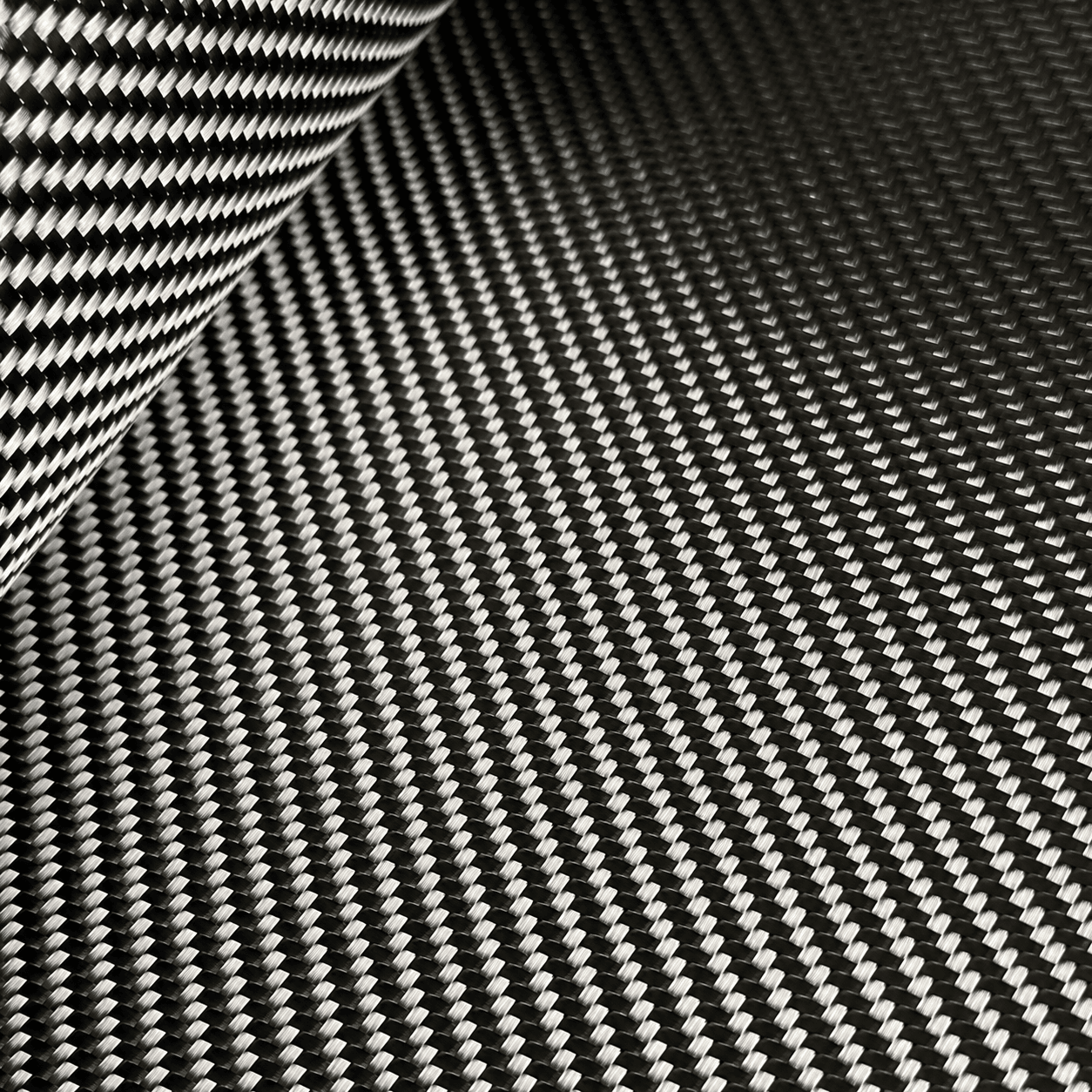
UD fabric carries most fibers in one direction for directional strength, while woven fabric balances fibers in warp and weft and is often selected for handling or surface appearance.
Yes. Widths from 10 cm to 100 cm can be discussed, especially for construction reinforcement and pultrusion customers.
Compare woven, UD, multiaxial and spread tow fabric, then prepare the laminate and process information needed for an RFQ.
Use these guides to compare material options and prepare a specification-first RFQ. Final order values remain subject to quotation and document review.
Include the selected product type, end use, destination country, required documents and any drawings or previous specifications.