
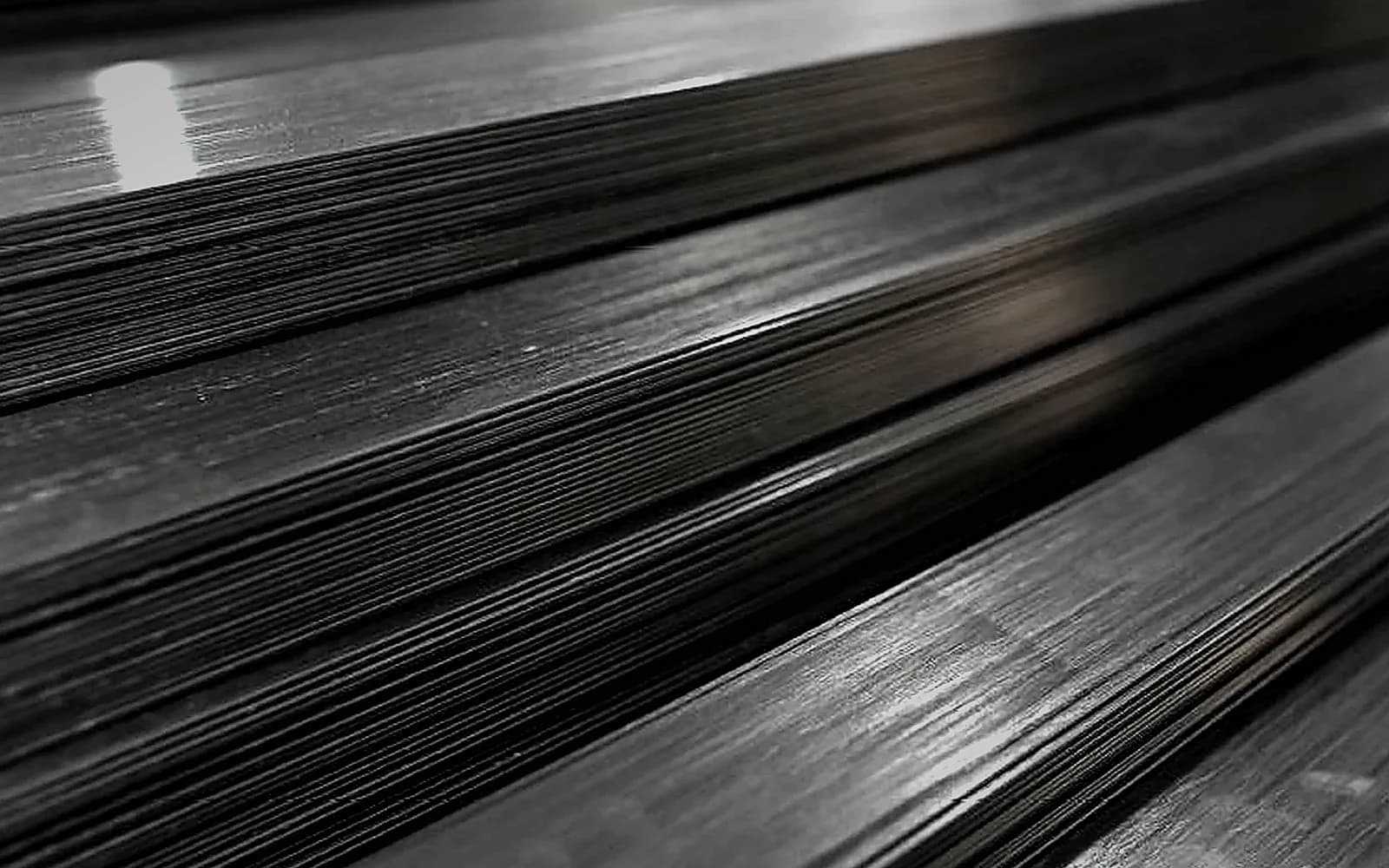
CFRP Strengthening Material RFQ Checklist in one minute.
A strengthening-material RFQ should identify the structure and substrate, engineer-selected material form, fabric areal weight or plate dimensions, required surface, epoxy scope, project quantity, destination and final application. Material supply information does not replace structural design, substrate assessment or system approval.
Technical review: 2026-07-27
What the terms mean.
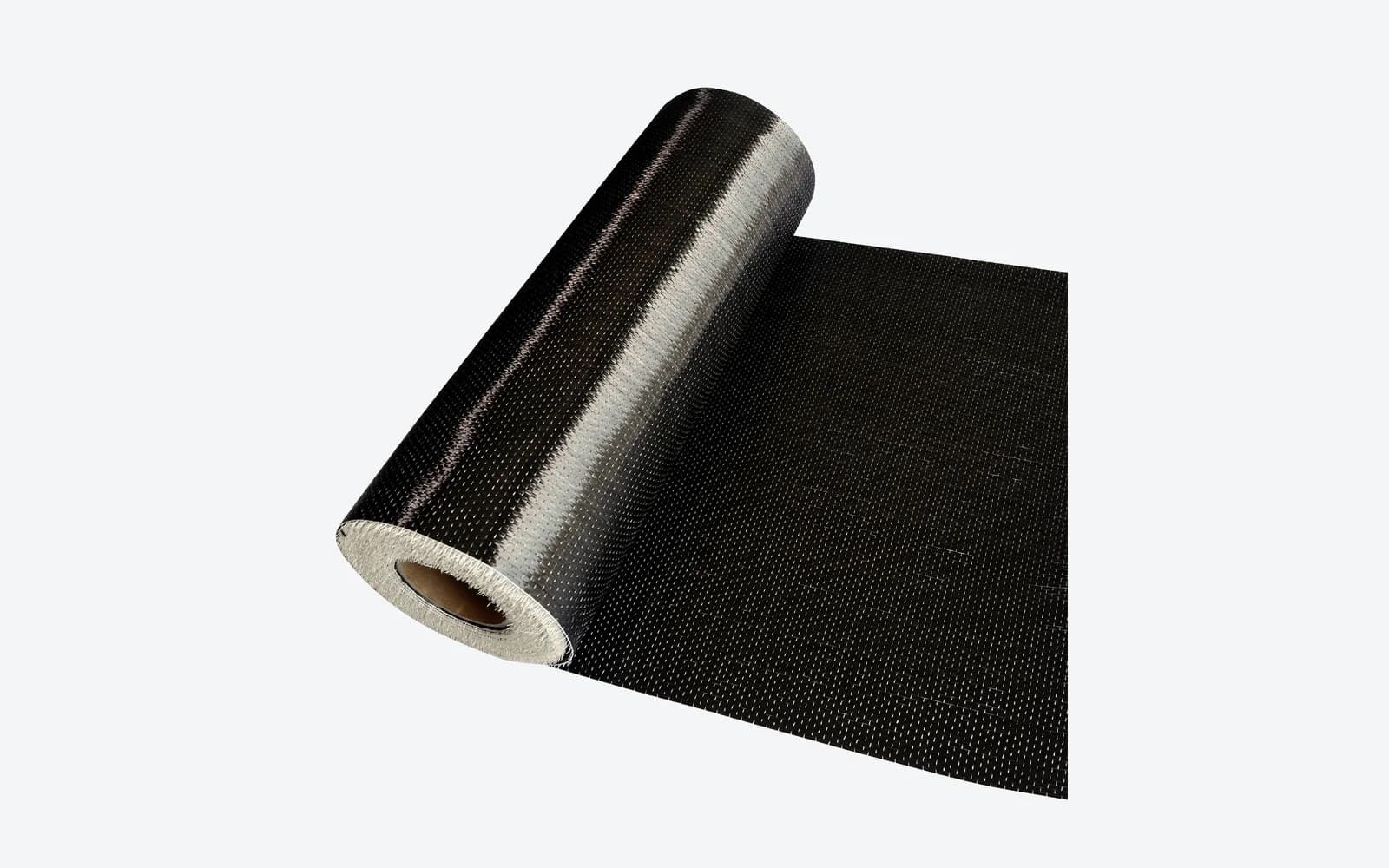
A CFRP strengthening system can use externally bonded UD carbon fiber fabric, pultruded CFRP plate and compatible structural epoxy materials. Fabric and plate have different forms, installation methods and order controls, so the project engineer's design should determine which material is quoted.
Key differences for material selection.
| RFQ item | UD carbon fabric | Pultruded CFRP plate |
|---|---|---|
| Primary order unit | Areal weight, width and roll length | Width, thickness and length |
| Bonding route | Saturating epoxy system | Plate adhesive system |
| Geometry | Conforms to broad or wrapped surfaces | Linear strip reinforcement |
| Surface confirmation | Fabric handling and impregnation requirement | Bonding surface matched to the adhesive system |
| Project input | Area, orientation and overlap plan | Strip layout, termination and joint details |
| Approval boundary | Engineer and system validation | Engineer and system validation |
How engineers and buyers should choose.
Use the structural engineer's strengthening design as the starting point; do not select from product appearance alone.
State the substrate, existing condition, load direction and project environment.
For UD fabric, confirm areal weight, width, roll length, orientation and saturating epoxy scope.
For plate, confirm width, thickness, length, bonding surface and adhesive-system requirement.
Identify whether primer, putty, saturant or plate adhesive is included in the request.
Request the selected product TDS and project-required batch documents before approval.
Where this comparison matters.
Typical values to confirm.
| Specification | Typical options |
|---|---|
| Documented UD references | 200 g/m² strengthening supply reference; 300 g/m² product TDS |
| Documented 300 g/m² width | 100-500 mm |
| Other UD construction | By project specification and matching document review |
| Plate reference | Width, thickness and length by selected product TDS and quotation |
| Epoxy | Primer / saturant / plate adhesive by approved project system |
| Documents | TDS and order or batch documents requested by project scope |
| Responsibility | Structural design, substrate assessment and system approval by qualified parties |
Download the references used in this guide.
These English PDFs are tied to the listed product scope. Confirm the final order specification and required batch documents in the RFQ.
Product pages to compare next.
Details needed before quotation.
Clear RFQ information helps avoid wrong material selection and repeated emails.
Common technical questions.
Can FRP HOME choose the strengthening material from a project photo?
No. A photo can support discussion, but material selection requires qualified structural design, substrate assessment, load information and an approved installation system.
Is general UD carbon fabric the same as strengthening fabric?
Not automatically. The selected fabric, areal weight, binder or handling construction, epoxy compatibility, documentation and project approval must match the strengthening system.
Can pultruded CFRP plate and UD fabric be quoted together?
Yes, when the project design uses both material forms. List each product, dimensions, quantities and epoxy scope separately so the quotation and documents remain clear.
What documents should be requested before a strengthening order?
Request the applicable product TDS, order specification and any project-required batch documents. The engineer should also approve the adhesive system, substrate preparation and installation method.
Sources reviewed for this guide.
These references support the general process guidance. Final material approval must use the selected product, resin and process documentation.