
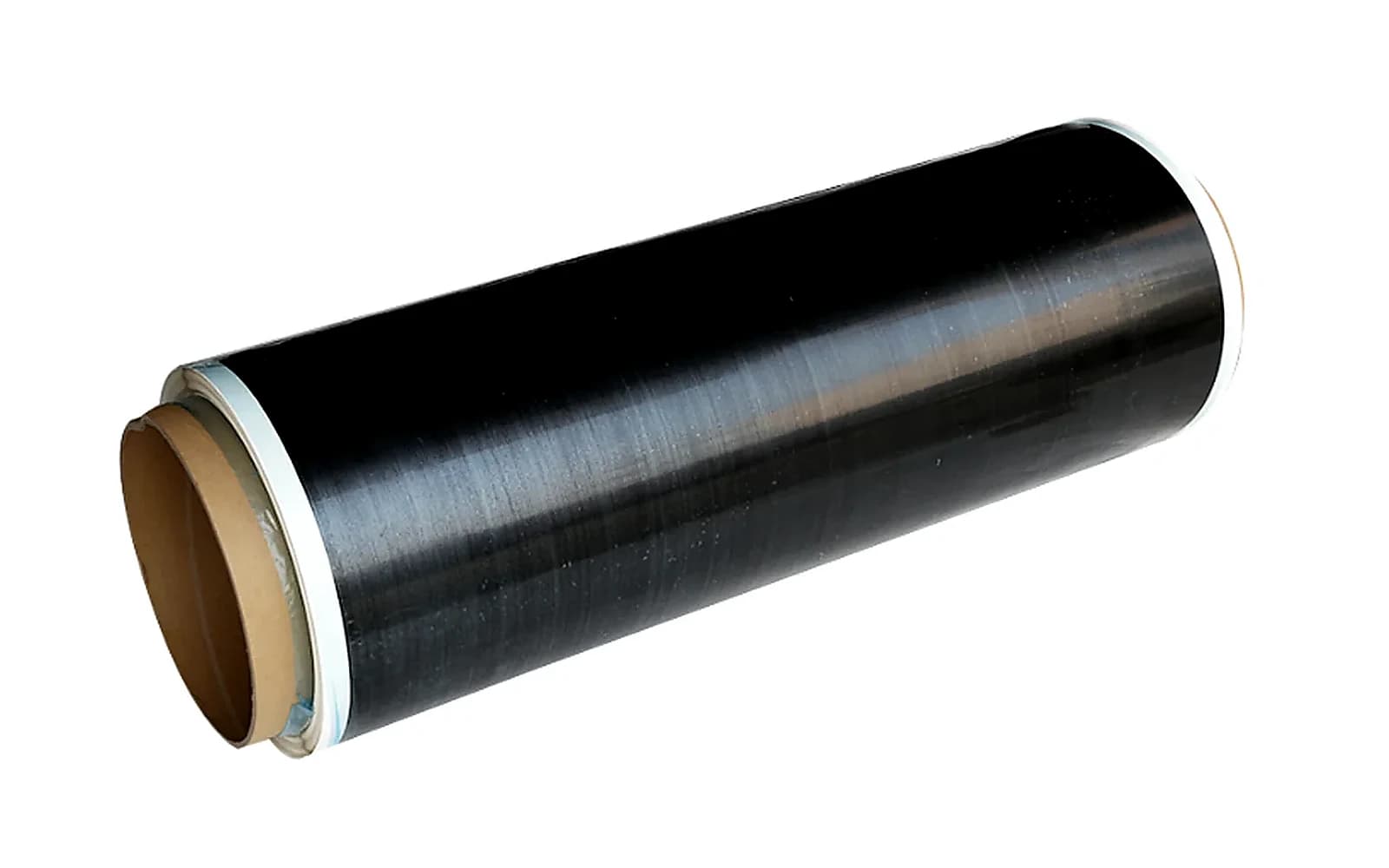
Prepreg vs Dry Carbon Fiber Fabric in one minute.
Prepreg carbon fiber already contains controlled resin and requires defined storage and cure conditions, while dry carbon fabric requires resin to be added during wet lay-up, infusion or conversion.
What the terms mean.
Prepreg is resin-impregnated carbon reinforcement. Dry carbon fabric is reinforcement supplied without resin for customer-controlled resin processes.
Key differences for material selection.
| Item | Prepreg | Dry carbon fabric |
|---|---|---|
| Resin | Already impregnated | Added by customer process |
| Control | Controlled resin content and cure cycle | Controlled by wet layup, infusion or prepreg conversion process |
| Storage | Cold storage usually required | Dry clean storage |
| Best for | Repeatable molded CFRP parts | Flexible process routes and repair |
| RFQ focus | Resin system, resin content, cure temperature, shelf life | Tow size, weave, weight, width, resin compatibility |
How engineers and buyers should choose.
Choose prepreg when repeatable resin content and molding control matter.
Choose dry fabric when the customer controls resin, infusion or wet lay-up.
Avoid prepreg if storage control and curing cycle are not confirmed.
Where this comparison matters.
Typical values to confirm.
| Specification | Typical options |
|---|---|
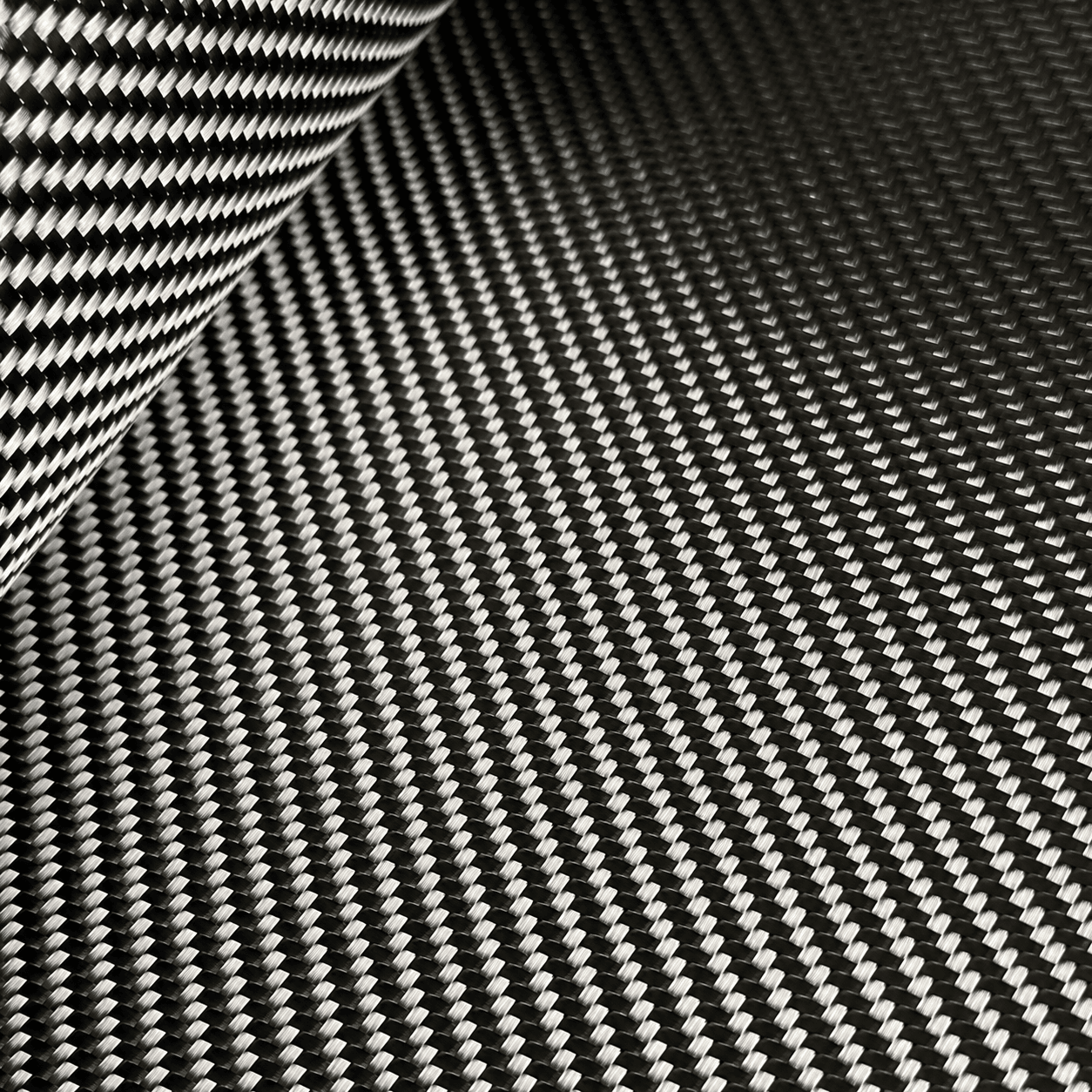
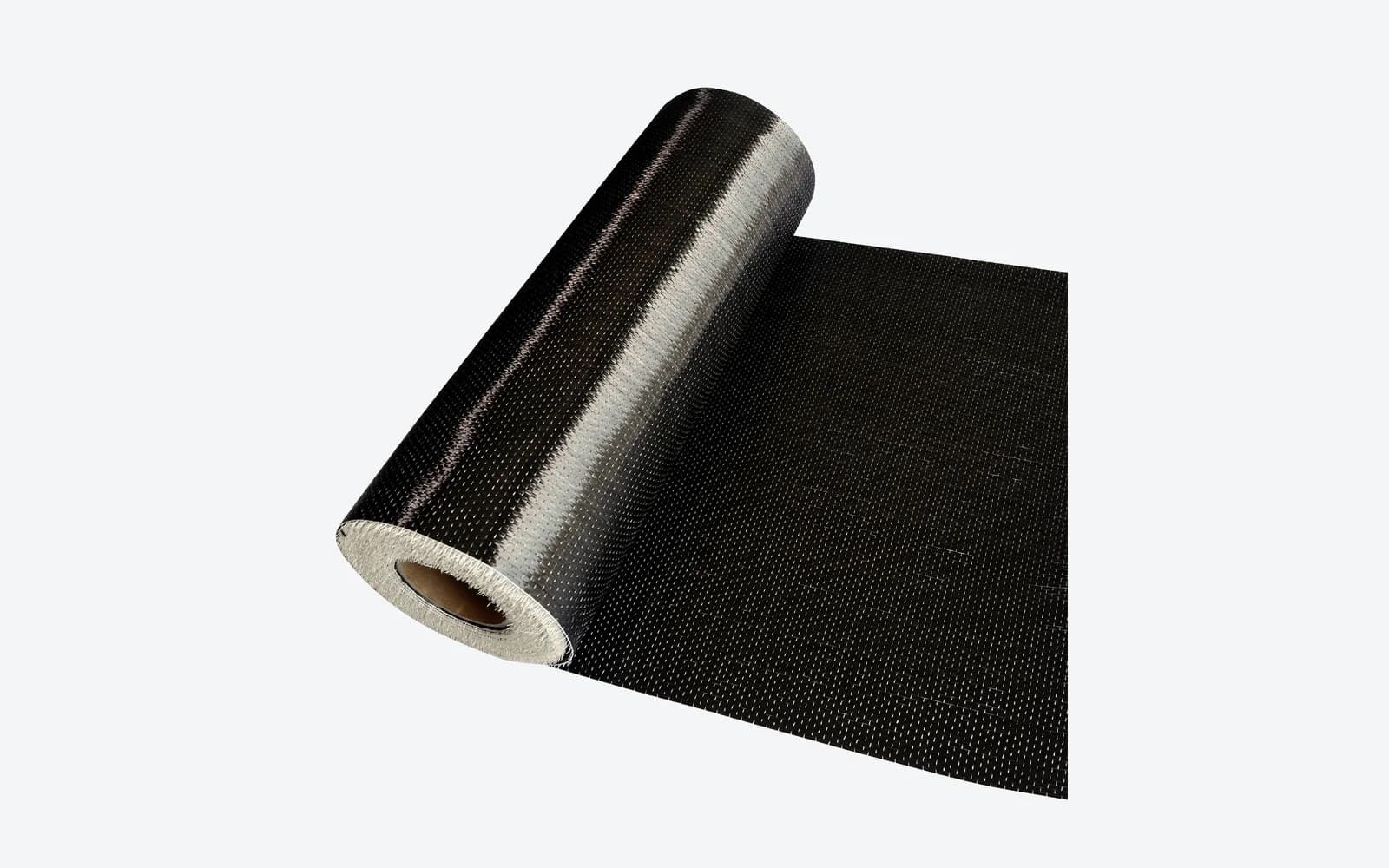
| Prepreg reinforcement | Woven / UD / spread tow |
| Resin content | Custom, commonly 30-42% by specification |
| Curing temperature | According to resin system |
| Dry fabric widths | 1000 / 1270 / 1500 mm or custom |
Product pages to compare next.
Details needed before quotation.
Clear RFQ information helps avoid wrong material selection and repeated emails.
Common technical questions.
Does prepreg need refrigerated storage?
Most epoxy prepregs require controlled cold storage. Exact conditions depend on the resin system and TDS.
Is dry fabric cheaper than prepreg?
Dry fabric is often simpler to ship and store, but total cost depends on customer process, resin, labor and quality requirements.