Recommended For
- Automotive interior and exterior trim
- Sports goods and consumer products
- Marine visible composite panels
- Luxury accessories and covers
- Hybrid impact skins
Carbon/aramid hybrid cloth, carbon/glass hybrid fabric and jacquard carbon patterns for visual composite parts and selected functional laminates.
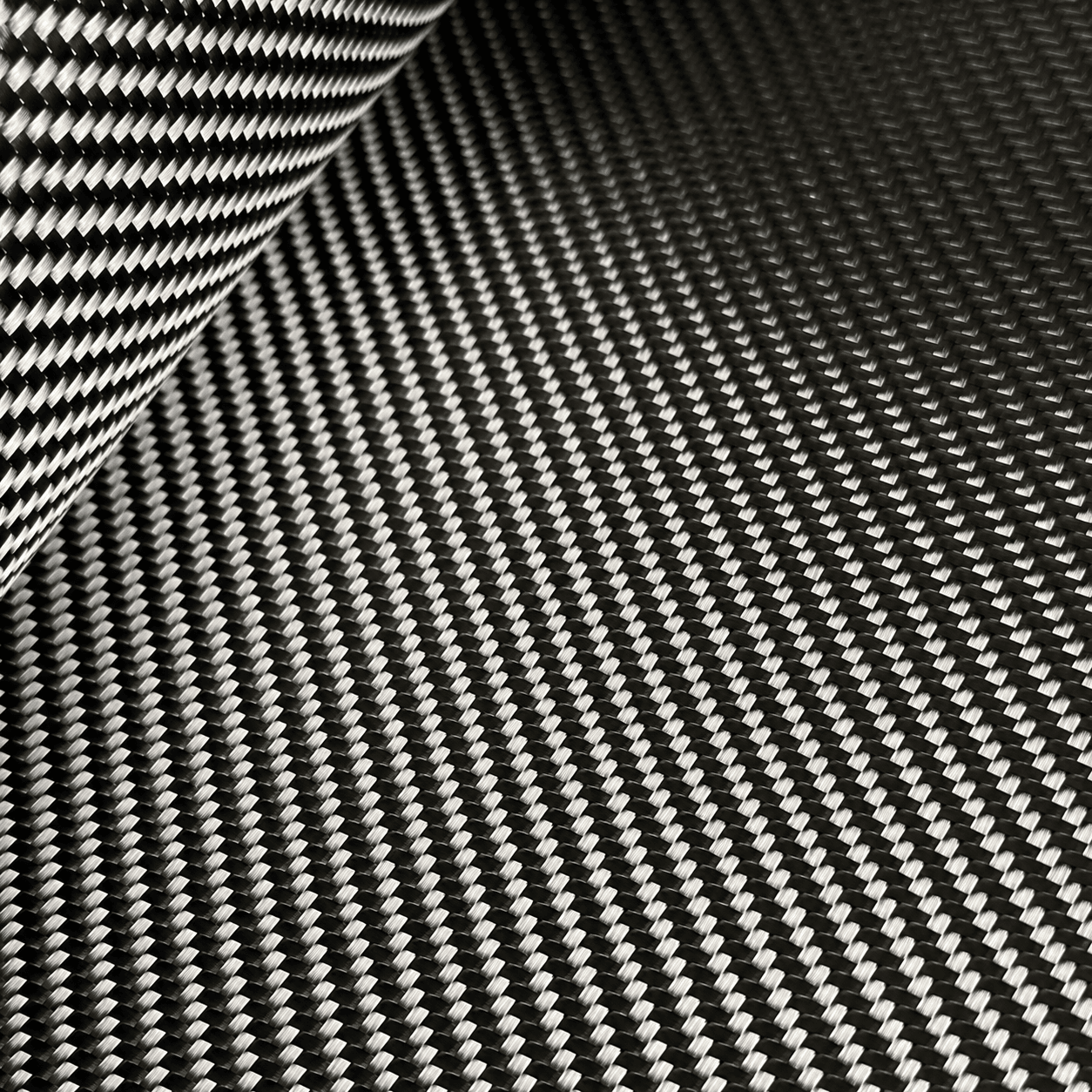
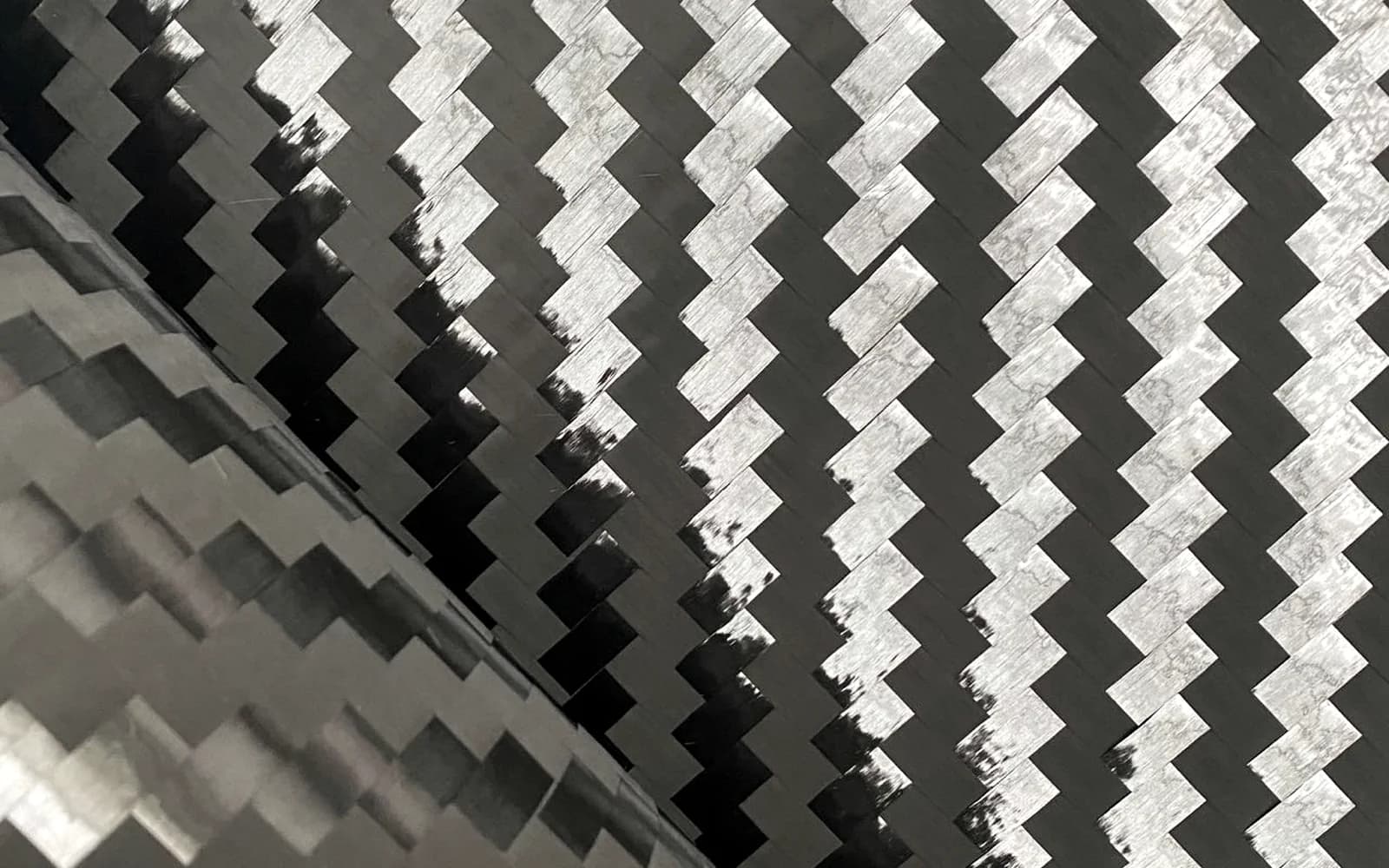
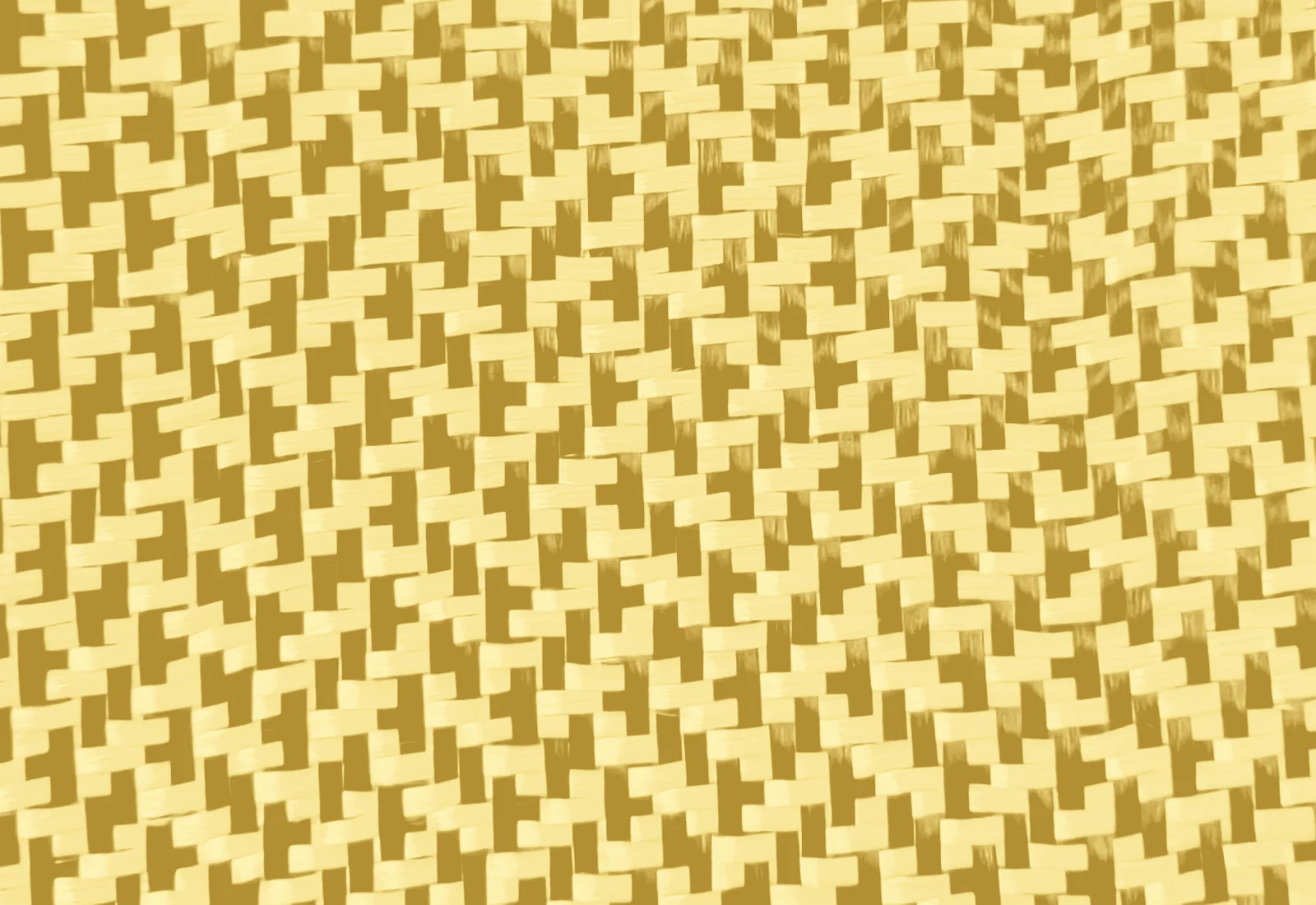
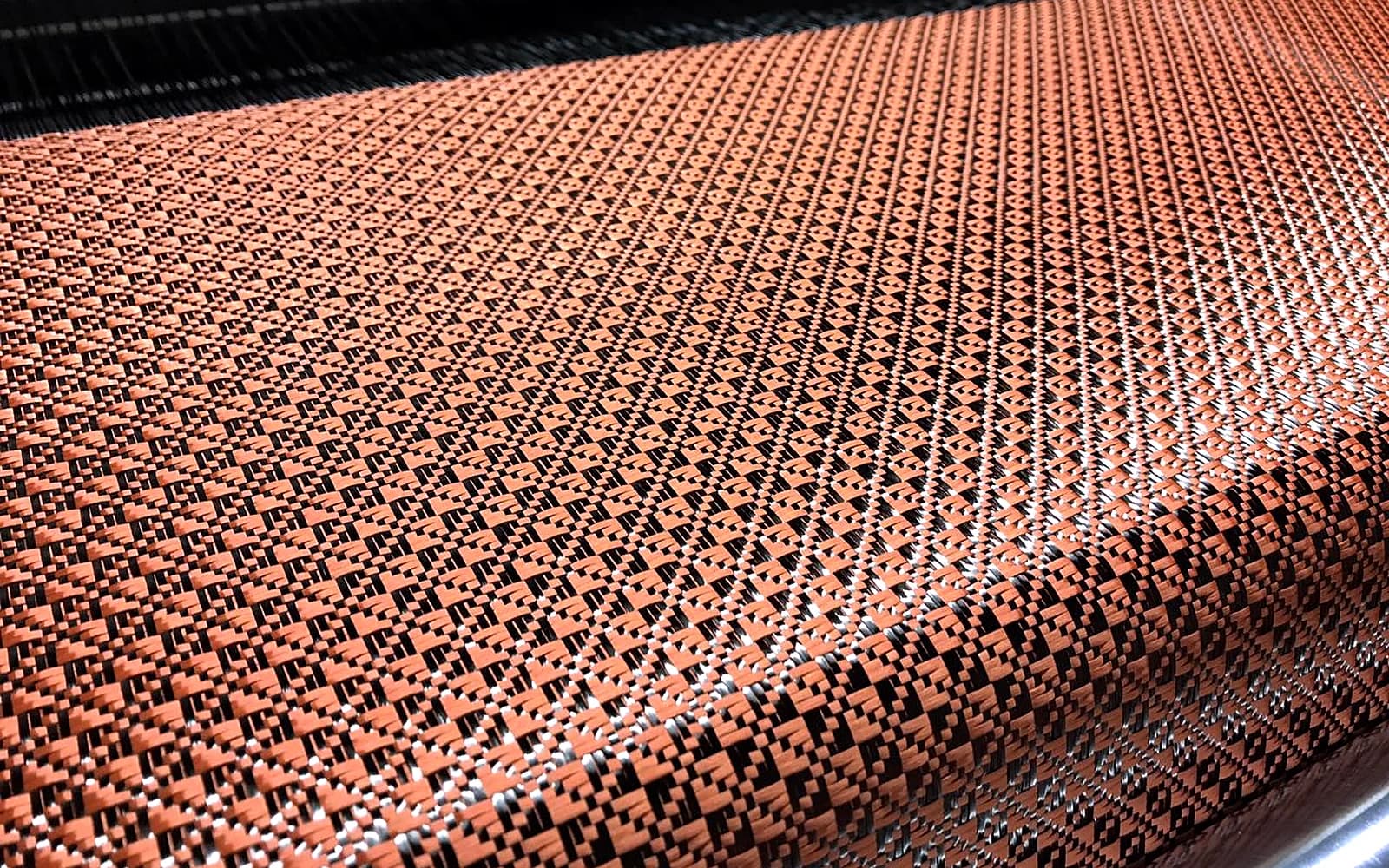
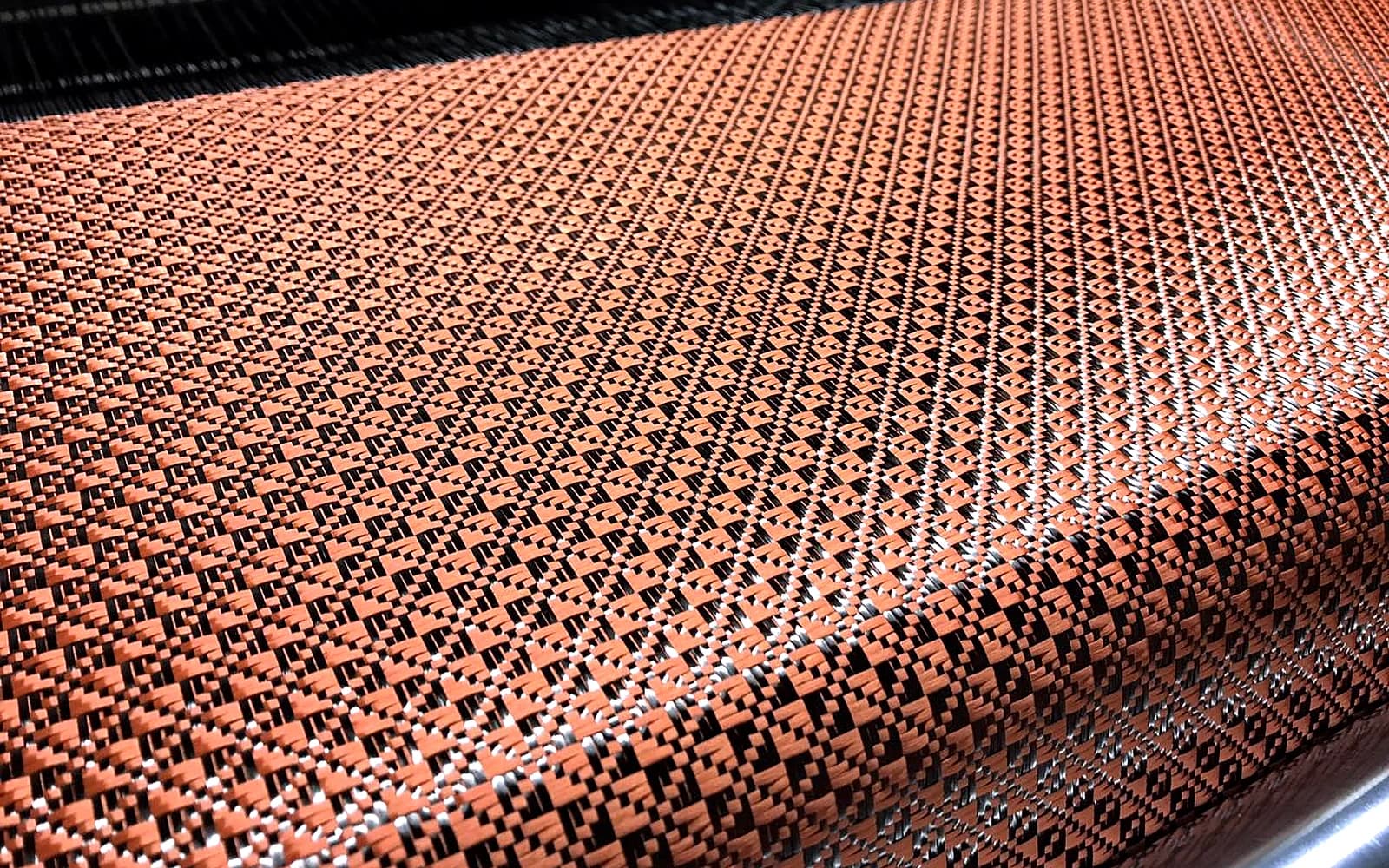
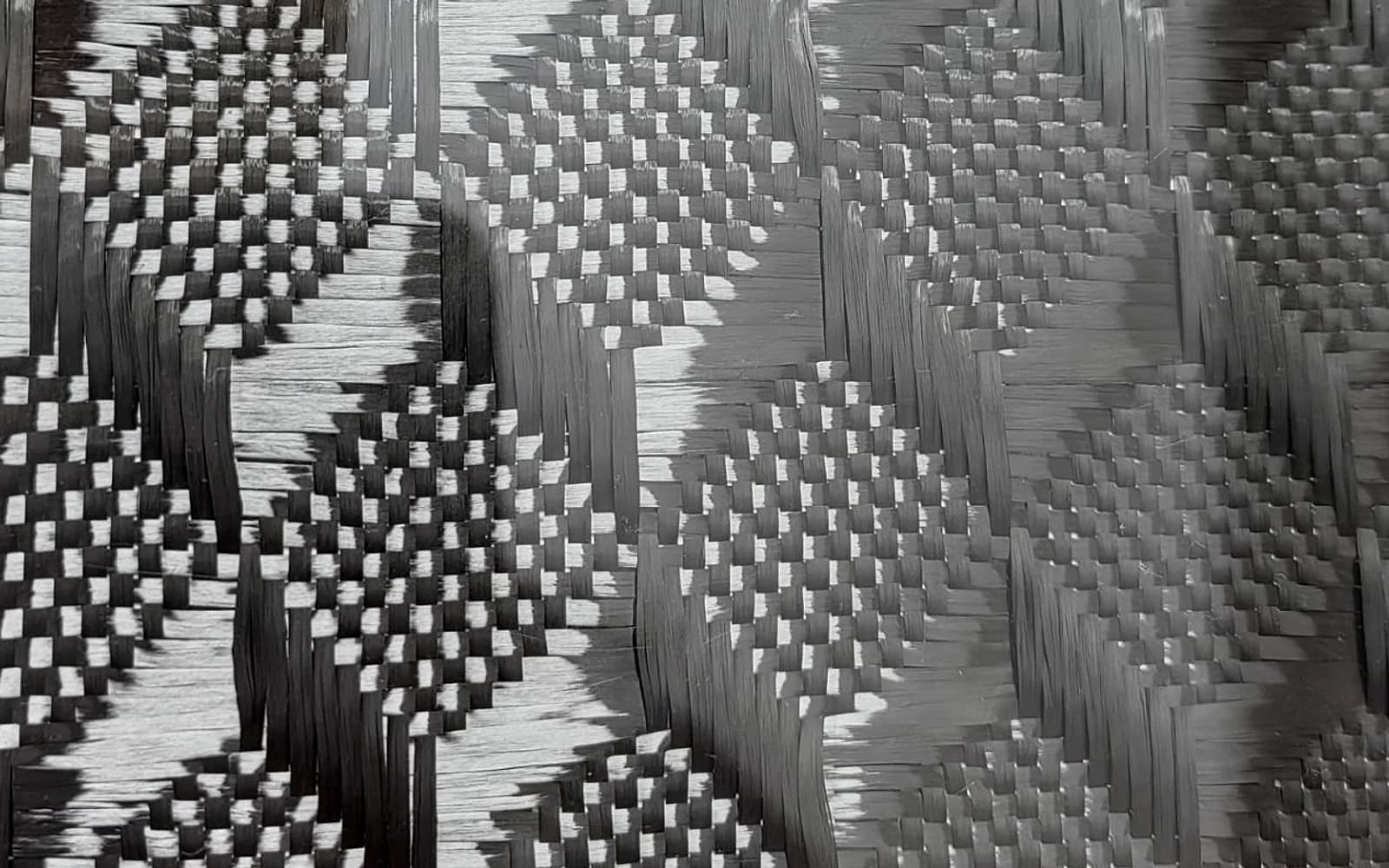
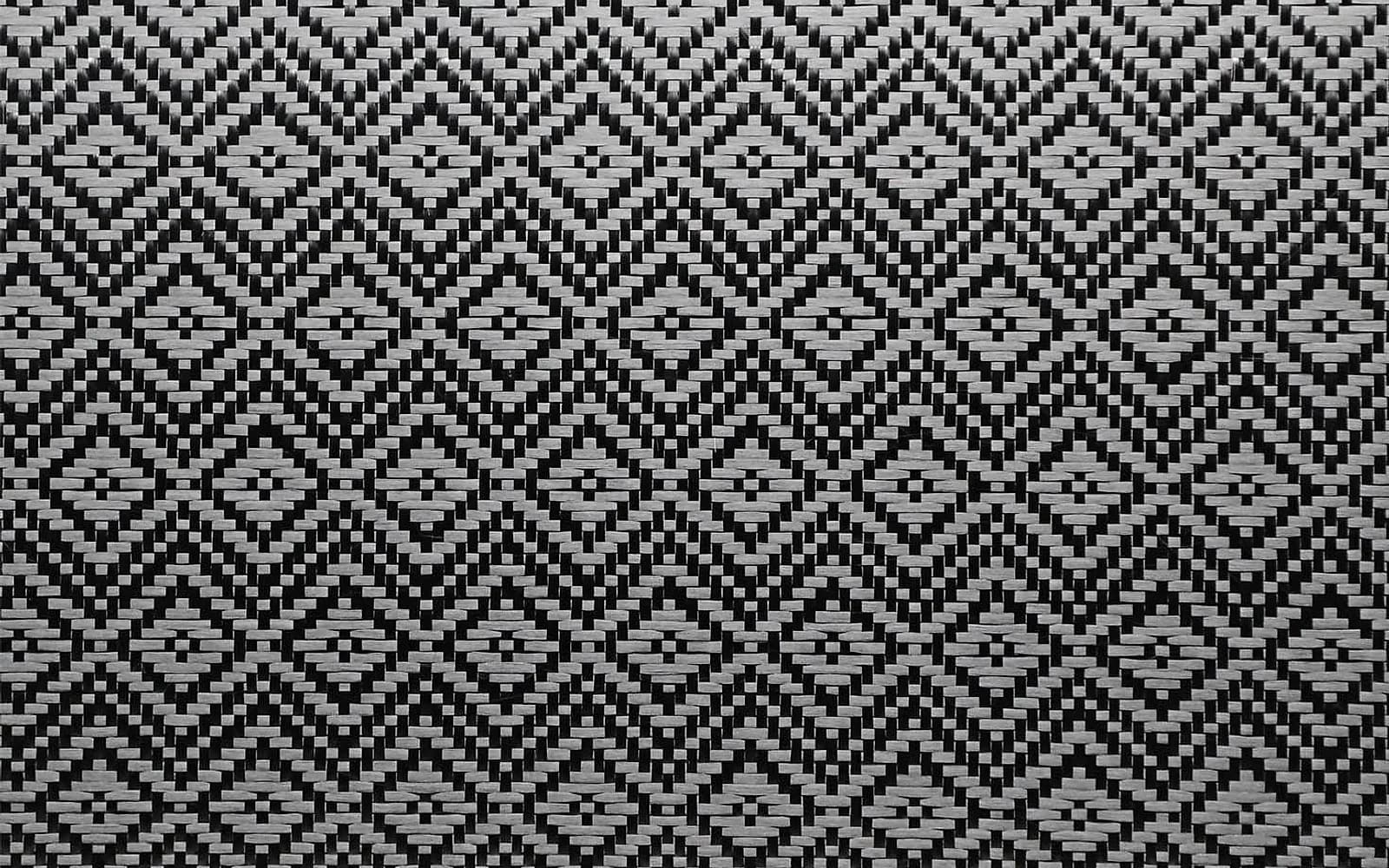
Hybrid and jacquard fabrics combine carbon fiber with aramid, glass fiber or pattern weaving to create decorative surfaces, impact-resistant skins and differentiated composite products.
Hybrid and jacquard fabrics are custom-oriented products. Trial weaving may be required for new patterns.
| Type | Fiber combination by order | Typical weight range | Typical width | Indicative feature |
|---|---|---|---|---|
| Carbon/aramid hybrid | Carbon + para-aramid by order | 160-600 g/m² typical | 1000 / 1270 mm typical | Impact and visual color |
| Carbon/glass hybrid | Carbon + E-glass by order | 200-650 g/m² typical | 1000 / 1270 mm typical | Cost and dielectric balance |
| Jacquard carbon fabric | Carbon or carbon hybrid by order | 200-500 g/m² typical | By pattern review | Decorative woven pattern |
| Colored hybrid fabric | Carbon + colored aramid or glass by order | 200-600 g/m² typical | By project review | Brand-specific surface |
The overview explains typical buyer context without replacing customer testing, engineering validation or official batch documents.
Carbon Aramid Hybrid Jacquard Fabric is used where composite parts need a distinctive surface appearance or a combination of properties from different fibers.
Carbon/aramid hybrid fabric can improve impact and abrasion response compared with carbon-only decorative skins, while carbon/glass hybrids may be selected for cost and electrical insulation considerations.
Jacquard carbon fabrics are custom woven patterns for premium visible surfaces. Pattern, width, color and MOQ should be reviewed before sampling.
| Item | Typical value | Remark |
|---|---|---|
| Weave | Plain, twill, basket or jacquard by order | Pattern sample required |
| Color | Yellow, red, blue, orange or custom by order | Based on yarn selection |
| Roll length | 50-100 m typical | Depends on pattern and width |
| Surface inspection | Pattern alignment and color consistency checked as typical visual items | Visual inspection |
| MOQ | Project MOQ by review | Higher for custom jacquard |
Material suitability should be verified through the customer's process, design requirements and application testing.
This is a practical shortlist for RFQ preparation. Final suitability depends on customer testing, resin compatibility and engineering validation.
Start with tow size, weave type, areal weight, width, roll length and target process.
Use woven fabric for balanced handling and appearance; use UD when directional reinforcement is required.
Keep spread tow under woven carbon fiber fabric, with a separate spread tow product discussion when needed.
Brand availability depends on stock, batch, order quantity, destination country and compliance review. We do not imply official authorization unless separately stated.
Document availability depends on material family, specification, order agreement and batch. Final values are confirmed by official documents, not by website examples.
Material specifications, typical properties and recommended use.
Hazard information, handling guidance and safety measures where applicable.
Batch information and material characteristics when available for confirmed orders.
Packing method depends on roll size, component geometry, quantity and destination. Roll protection, cartons, pallets, labels and packing photos can be discussed before shipment.
Yes, but pattern design, loom setup and MOQ must be reviewed before quotation and sample weaving.
It can be used in structural laminates, but the laminate design should be verified because carbon and aramid have different stiffness, compression and cutting behavior.
Include the selected product type, end use, destination country, required documents and any drawings or previous specifications.